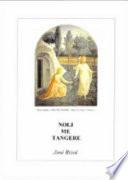
José Rizal libro Noli me tangere
Crisóstomo Ibarra: p. 28
Noli me tangere
José Protasio Rizal Mercado y Alonzo Realonda è stato un poeta, scrittore, rivoluzionario, scultore, pittore, oculista e linguista filippino.
Considerato il più grande eroe filippino e de facto un eroe nazionale, la sua vita e le sue opere furono ispiratrici del movimento nazionalista filippino. L'esecuzione e la conseguente morte nel 1896 lo hanno reso uno dei martiri della rivoluzione filippina. L'anniversario della sua morte è oggi considerato giorno di festa nazionale nelle Filippine.
Rizal studiò all'Università Ateneo de Manila, ottenendo un bachelor nelle arti. Si iscrisse a medicina e filosofia all'Università di Santo Tomás per poi andare a Madrid, dove continuò a studiare presso l'Università Complutense di Madrid, ottenendo il titolo di licenziato in medicina. In seguito frequentò l'Università di Parigi e poi l'Università di Heidelberg. Si laureò in tre anni sia in medicina che in lettere e filosofia. Uomo d'ingegno e talento universale, oltre al tagalog sapeva parlare almeno altre dieci lingue. Era anche un poeta lirico, tra le sue opere figurano i romanzi Noli me tangere ed El filibusterismo.
Come figura politica, era leader di un'associazione di riforma non violenta, la lega filippina. La sua morte e le sue attività politiche furono ispiratrici della rivoluzione filippina, guidata da Andrés Bonifacio e poi da Emilio Aguinaldo. Wikipedia

José Rizal libro Noli me tangere
Crisóstomo Ibarra: p. 28
Noli me tangere
“Qui non si può essere onorati se non si è stati in prigione!”
José Rizal libro Noli me tangere
il tenente: p. 30
Noli me tangere
“To be happy does not mean to indulge in foolishness!”
José Rizal libro Noli me tangere
Origine: Noli Me Tángere
José Rizal libro Noli me tangere
Noli me Tangere
Origine: Noli Me Tángere
“I have to believe much in God because I have lost my faith in man.”
José Rizal libro Noli me tangere
Origine: Noli Me Tángere
José Rizal libro Noli me tangere
Origine: Noli Me Tángere
“It is not the criminals who arouse the hatred of others, but the men who are honest.”
José Rizal libro Noli me tangere
Origine: Noli Me Tángere
“The example could encourage others who only fear to start.”
José Rizal libro Noli me tangere
Origine: Noli Me Tángere
"Como se gobiernan las Filipinas" (How one governs in the Philippines), published in La Solidaridad (15 December 1890)
“Dying people don't need medicine, the ones who remain do.”
José Rizal libro Noli me tangere
Origine: Noli Me Tángere
Toast to the artists Juan Luna and Felix Hidalgo: Madrid, Spain (25 June 1884)
“Truth does not need to borrow garments from error.”
Also translated as: Truth does not need to borrow garments from falsehood.
Noli me Tangere
José Rizal libro Noli me tangere
Origine: Noli Me Tángere
“He who does not love his own language is worse than an animal and a smelly fish.”
This has long been attributed to Rizal as part of a poem, titled Sa Aking Mga Kabata (To My Fellow Children), he wrote at the age of 8, as quoted in " Community Celebrates Rizal Day" in Asian Journal USA (31 December 2007) http://asianjournalusa.com/community-celebrates-rizal-day-p3868-95.htm, but this has become disputed as highly unlikely in "Did young Rizal really write poem for children?" by Ambeth R. Ocampo, in Philippine Daily Inquirer (22 August 22 2011) http://newsinfo.inquirer.net/45479/did-young-rizal-really-write-poem-for-children <br class="br">Disputed
“He who would love much has also much to suffer.”
"To My__" (December 1890)
Letter to Blumentritt (24 December 1886)
"Mi Ultimo Adios" st. 13 - poem written on the eve of his execution (29 December 1896) - translated from the Spanish by Charles Derbyshire.
"The Philippines: A Century Hence" in La Solidaridad (1889-90) - translated from the Spanish by Charles Derbyshire
Open letter to Barrantes on the Noli, published in La Solidaridad (15 February 1890)
“; The glory of saving a country is not for him who has contributed to its ruin.”
José Rizal libro El Filibusterismo
El Filibusterismo
“Cowardice rightly understood begins with selfishness and ends with shame.”
José Rizal libro Noli me tangere
Origine: Noli Me Tángere
“; There are no tyrants where there are no slaves.”
José Rizal libro El Filibusterismo
El Filibusterismo
"Laughter and Tears", an essay (c.1884)
“The tyranny of some is possible only through the cowardice of others.”
Letter to the Young Women of Malolos (22 February 1889) - translated from Tagalog by Gregorio Zaide


