Fritjof Capra libro Il Tao della fisica
Origine: Il Tao della fisica, pp. 225-226
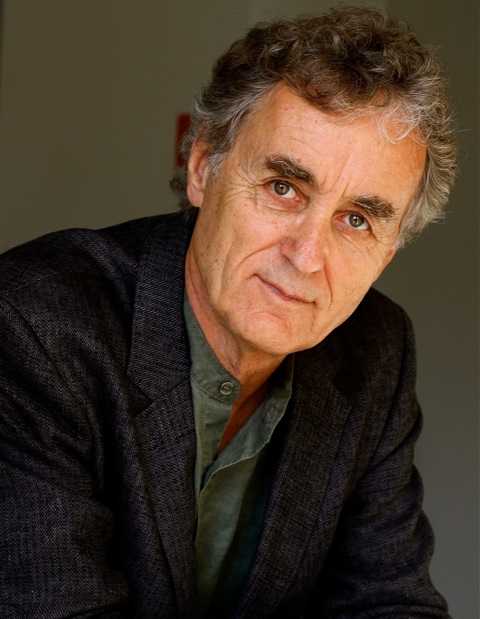
Fritjof Capra è un fisico e saggista austriaco.
Fisico e teorico dei sistemi, è saggista di fama internazionale. Diventato famoso con Il Tao della fisica, del 1975, tradotto in italiano nel 1982 , ha visto la sua fama aumentare con la ristampa del 1989. Si è occupato anche di sviluppo sostenibile, ecologia e teoria della complessità. Così egli ha descritto la sua intuizione della realtà spirituale:
Capra parte dall'osservazione della fisica moderna, con la teoria della relatività di Albert Einstein e la meccanica quantistica, e presenta un quadro che può essere visto anche sulla base di elementi spiritualistici. Secondo Capra le "particelle" subatomiche sono in realtà concentrazioni di energia pura in vibrazione piuttosto che vere e proprie entità materiali; il fisico deve non osservare, bensì partecipare:
Il nome Fritjof fu scelto dalla madre che amava la "Saga di Fritjof", una composizione svedese. Wikipedia
Fritjof Capra libro Il Tao della fisica
Origine: Il Tao della fisica, pp. 225-226
Fritjof Capra libro Il Tao della fisica
Origine: Il Tao della fisica, p. 39
Fritjof Capra libro Il Tao della fisica
Origine: Il Tao della fisica, p. 171
Fritjof Capra libro Il Tao della fisica
Origine: Il Tao della fisica, p. 133
Fritjof Capra libro Il Tao della fisica
Origine: Il Tao della fisica, p. 105
Fritjof Capra libro Il Tao della fisica
Origine: Il Tao della fisica, p. 157
p. 258
Fritjof Capra libro Il Tao della fisica
Origine: Analoga alla teoria del bootstrap in fisica, come più oltre specificato, teoria nella quale non esisterebbero costituenti fondamentali dell'universo, che come mattoncini aggregandosi creano la complessità, ma ogni singola parte è in connessione con tutte le altre ed è la coerenza di tutte le connessioni reciproche a creare la complessità.
Origine: Il Tao della fisica, p. 345
Fritjof Capra libro Il Tao della fisica
Origine: Il Tao della fisica, p. 23
Fritjof Capra libro Il Tao della fisica
Origine: Il Tao della fisica, p. 56
Fritjof Capra libro Il Tao della fisica
Origine: Il Tao della fisica, p. 184-185
Fritjof Capra libro Il Tao della fisica
Origine: Il Tao della fisica, p. 241
Fritjof Capra libro Il Tao della fisica
Origine: Il Tao della fisica, pp. 283-284
Fritjof Capra libro Il Tao della fisica
Origine: Il Tao della fisica, p. 326
Fritjof Capra libro The Turning Point
Preface.
The Turning Point (1982)
Fritjof Capra libro Il Tao della fisica
Epilogue, p. 306.
The Tao of Physics (1975)
Fritjof Capra libro Il Tao della fisica
Origine: The Tao of Physics (1975), Ch. 1, Modern Physics, p. 17.
Fritjof Capra libro The Turning Point
Origine: The Turning Point (1982), p. 82.
Origine: The Tao of Physics: An Exploration of the Parallels between Modern Physics and Eastern Mysticism
Contesto: At the subatomic level, matter does not exist with certainty at definite places, but rather shows "tendencies to exist," and atomic events do not occur with certainty at definite times and in definite ways, but rather show "tendencies to occur."
Epilogue: Ecological Literacy
The Web of Life (1996)
Epilogue: Ecological Literacy
The Web of Life (1996)
Epilogue: Ecological Literacy
The Web of Life (1996)
Fritjof Capra libro The Turning Point
Origine: The Turning Point (1982), Ch. 1. The Turning of the Tide.
Fritjof Capra libro Il Tao della fisica
Origine: The Tao of Physics (1975), Ch. 3, Beyond Language, p. 46.
Fritjof Capra libro Il Tao della fisica
Origine: The Tao of Physics (1975), Ch. 3, Beyond Language, p. 50.
Epilogue: Ecological Literacy
The Web of Life (1996)
Origine: The Web of Life (1996), p. 30.
Fritjof Capra libro The Turning Point
Origine: The Turning Point (1982), p. 93.
Fritjof Capra libro The Hidden Connections
Origine: The Hidden Connections (2002), p. 86 Ch. 4 Life and Leadership in Organizations http://beahrselp.berkeley.edu/wp-content/uploads/2010/06/Capra-Hidden-Connections-Ch-4.pdf.
Fritjof Capra libro Il Tao della fisica
Origine: The Tao of Physics (1975), p. 244.
Origine: The Web of Life (1996), p. 3; As cited in: Michael C. Jackson (2000) Systems Approaches to Management. p. 5.
Fritjof Capra libro The Hidden Connections
Origine: The Hidden Connections (2002), p. 8.
Fritjof Capra libro The Turning Point
Origine: The Turning Point (1982), p. 78.
Fritjof Capra libro Il Tao della fisica
Origine: The Tao of Physics (1975), Ch. 1, Modern Physics, p. 19.
Origine: The Web of Life (1996), p. 46.
Epilogue: Ecological Literacy
The Web of Life (1996)
Epilogue: Ecological Literacy<!--p.300-->
The Web of Life (1996)
Capra (2007) in: Francis Pisani " An Interview with Fritjof Capra http://ijoc.org/ojs/index.php/ijoc/article/view/69/25" in: International Journal of Communication Vol 1 (2007).
Fritjof Capra libro The Turning Point
Preface.
The Turning Point (1982)
“A diverse community is a resilient community, capable of adapting to changing situations.”
Epilogue: Ecological Literacy
The Web of Life (1996)
Fritjof Capra, Gunter A. Pauli (1995) Steering business toward sustainability. p. 3 cited in: Elmer Kennedy-Andrews (2008) Writing Home. p. 13.


