“Solo gli stolti e i morti non cambiano mai le loro opinioni.”
da Abraham Lincoln 1864, in My Study Windows, 1871 <br class="br">Origine: My Study Windows p.166 https://archive.org/stream/windowsmystudy00lowerich#page/166/search/Lincoln
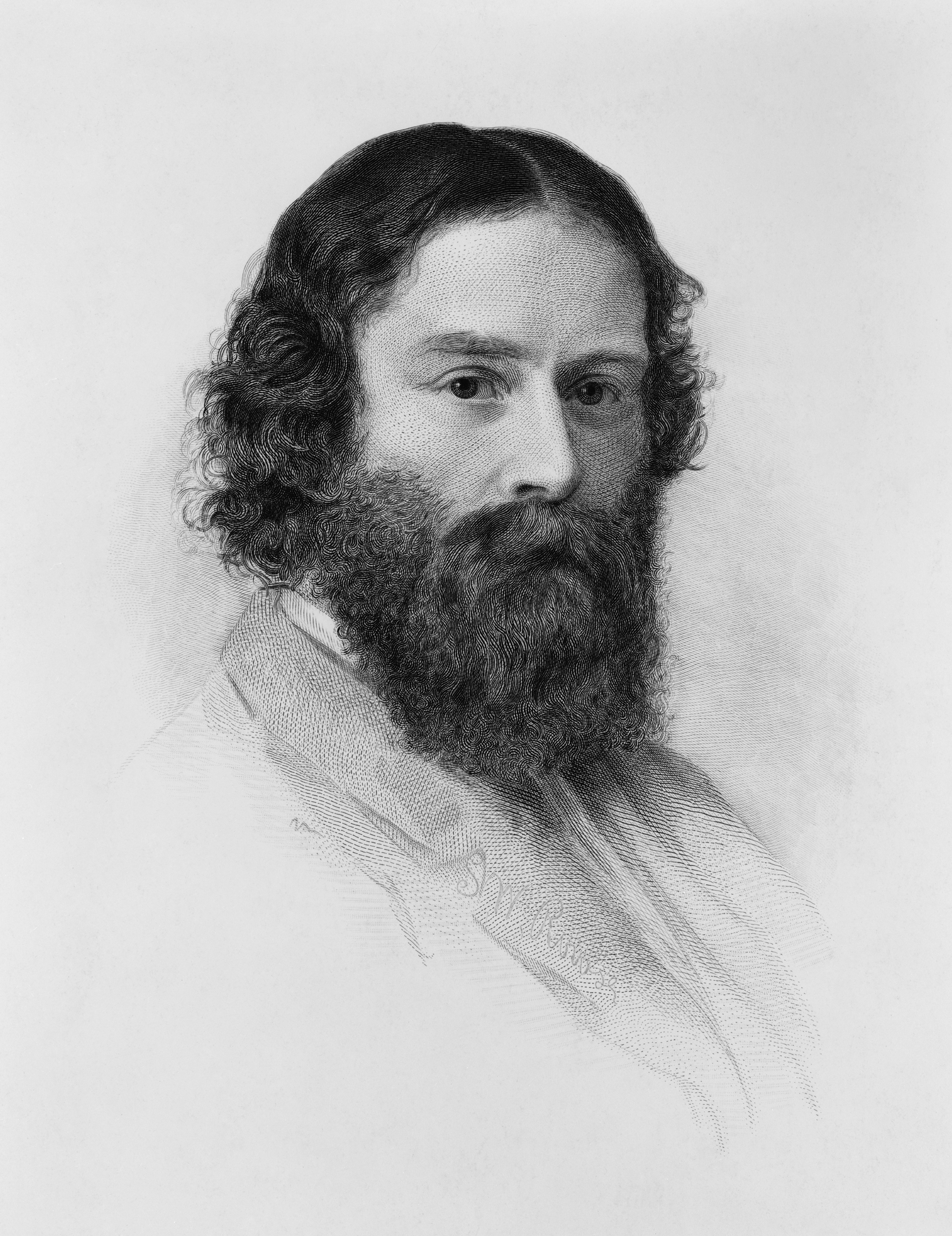
James Russell Lowell è stato un poeta, critico letterario e diplomatico statunitense, incluso nella lista di personaggi della Hall of Fame for Great Americans. Wikipedia
“Solo gli stolti e i morti non cambiano mai le loro opinioni.”
da Abraham Lincoln 1864, in My Study Windows, 1871 <br class="br">Origine: My Study Windows p.166 https://archive.org/stream/windowsmystudy00lowerich#page/166/search/Lincoln
“Che sensazione di sicurezza dà un vecchio libro che il Tempo ha criticato per noi!”
da A Library of Old Authors, in Literary Essays, vol. I, 1864-1890
“Non c'è niente di più disperatamente monotono del mare; non mi stupisco della ferocia dei pirati.”
da Fireside Travels, At Sea, 1864
da Democracy and Addresses, Democracy
da Rousseau and the Sentimentalists, in Literary Essays, vol. II, 1870-1890
“Un saggio scetticismo è il primo attributo di un buon critico.”
da Shakespeare Once More, in Literary Essays, vol. III, 1870-1890
“Benedetti coloro che non hanno nulla da dire e che non si lasciano convincere a dirlo.”
da Shakespeare Once More, in Literary Essays, vol. III, 1870-1890
“There is no price set on the lavish summer,
And June may be had by the poorest comer.”
Prelude to Pt. I, st. 3
The Vision of Sir Launfal (1848)
“The capacity of indignation makes an essential part of the outfit of every honest man.”
On a Certain Condescension in Foreigners (1869)
“Darkness is strong, and so is Sin,
But surely God endures forever.”
Villa Franca.
Bartlett's Familiar Quotations, 10th ed. (1919)
The Election in November 1860 (1860)
“T was kin' o' kingdom-come to look
On sech a blessed cretur.”
The Courtin' .
The Biglow Papers (1848–1866), Series II (1866)
The Courtin' .
The Biglow Papers (1848–1866), Series II (1866)
On Democracy (6 October 1884)
James Russell Lowell A Fable for Critics
Pt. I - Emerson, st. 1
A Fable for Critics (1848)
An Indian Summer Reverie http://www.readbookonline.net/readOnLine/1164/, st. 8 (1846)
"On the Capture of Certain Fugitive Slaves Near Washington" (1845)
Literary Essays, vol. II (1870–1890), New England Two Centuries Ago
Literary Essays, vol. II (1870–1890), New England Two Centuries Ago
Motto of the American Copyright League. (Written Nov. 20, 1885).
Bartlett's Familiar Quotations, 10th ed. (1919)
“No man can produce great things who is not thoroughly sincere in dealing with himself.”
Literary Essays, vol. II (1870–1890), Rousseau and the Sentimentalists
Graves of Two English Soldiers on Concord Battleground, st. 3 (1849)
“Bad work follers ye ez long's ye live.”
No. 2.
The Biglow Papers (1848–1866), Series II (1866)
“Blessed are they who have nothing to say, and who cannot be persuaded to say it.”
Speech at the banquet for Grand Duke Alexis, 11 November 1871 at the Revere House Hotel in Boston, p. 102 books.google https://books.google.de/books?id=YRmn-_vXZ58C&pg=PA102&dq=persuaded <br class="br">Cf. George Eliot 1879: Blessed is the man who, having nothing to say, abstains from giving us wordy evidence of the fact
“It's 'most enough to make a deacon swear.”
No. 2.
The Biglow Papers (1848–1866), Series II (1866)
“Soft-heartedness, in times like these,
Shows sof'ness in the upper story.”
No. 7.
The Biglow Papers (1848–1866), Series II (1866)
The Washers of the Shroud http://www.bartleby.com/102/129.html, st. 1 (October 1861)
No. 5.
The Biglow Papers (1848–1866), Series II (1866)
Cambridge Thirty Years Ago.
Literary Essays, vol. I (1864-1890)
The Courtin' , st. 1.
The Biglow Papers (1848–1866), Series II (1866)


