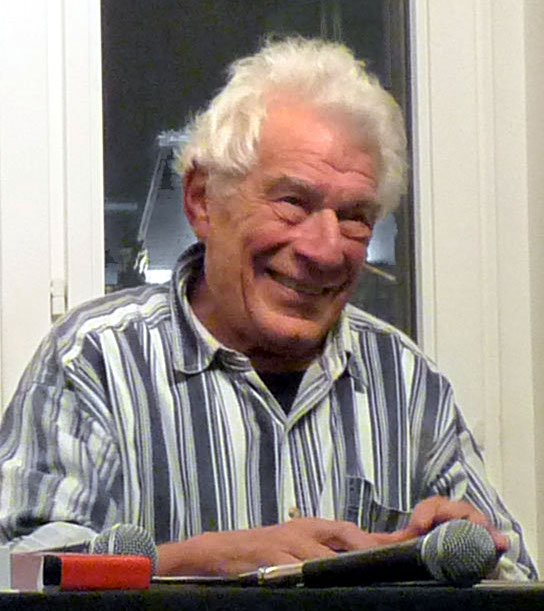
John Berger frasi celebri
Perché guardare gli animali?, p. 2
Sul guardare
Origine: Citato in Daniela Cavini, Leggere una foto? È come guardare un cardiogramma, Sette, 12 dicembre 2014.
Frasi su animali di John Berger
Perché guardare gli animali?, p. 2
Sul guardare
Perché guardare gli animali?, pp. 12-13
Sul guardare
Perché guardare gli animali?, p. 21
Sul guardare
Perché guardare gli animali?
Sul guardare
Origine: Citato in J. M. Coetzee, La vita degli animali, traduzione di Franca Cavagnoli e Giacomo Arduini, Adelphi, Milano, 2000, p. 45. ISBN 88-459-1556-5
John Berger: Frasi in inglese
John Berger libro Ways of Seeing
Origine: Ways of Seeing (1972)
Origine: Keeping a Rendezvous
John Berger libro Ways of Seeing
Origine: Ways of Seeing (1972)
Contesto: According to usage and conventions which are at last being questioned but have by no means been overcome, the social presence of a woman is different in kind from that of a man... A man's presence suggests what he is capable of doing to you or for you... By contrast, a woman's presence expresses her own attitude to herself, and defines what can and cannot be done to her. (p. 45-46)
“To remain innocent may also be. to remain ignorant.”
John Berger libro Ways of Seeing
Origine: Ways of Seeing
“Glamour cannot exist without personal social envy being a common and widespread emotion.”
John Berger libro Ways of Seeing
Origine: Ways of Seeing (1972), p. 148
Origine: About Looking (1980), Chapter "Why Look at Animals?"
“The uniqueness of every painting was once part of the uniqueness of the place where it resided.”
John Berger libro Ways of Seeing
Chap. 1
Ways of Seeing (1972)
John Berger libro Ways of Seeing
Origine: Ways of Seeing
Origine: Here Is Where We Meet: A Story of Crossing Paths
Origine: Selected Essays of John Berger (2014), P. 18
Origine: About Looking (1980), Chapter "Why Look at Animals?"
John Berger libro Ways of Seeing
Origine: Ways of Seeing (1972), p. 130
John Berger libro Ways of Seeing
Ways of Seeing (1972)
Origine: About Looking (1980), Chapter "Why Look at Animals?"
Origine: About Looking (1980), Chapter "Why Look at Animals?"


.jpg)