S. I. Hayakawa libro Language in Thought and Action
Origine: Language in Thought and Action (1949), Language as Symbolism, p. 27
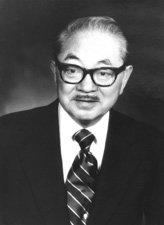
S. I. Hayakawa era politico statunitense.
S. I. Hayakawa libro Language in Thought and Action
Origine: Language in Thought and Action (1949), Language as Symbolism, p. 27
S. I. Hayakawa libro Language in Thought and Action
Footnote, p. 26
Language in Thought and Action (1949), The Symbolic Process
S. I. Hayakawa libro Language in Thought and Action
Origine: Language in Thought and Action (1949), The Symbolic Process, pp. 24-25
S. I. Hayakawa libro Language in Thought and Action
Origine: Language in Thought and Action (1949), The Symbolic Process, p. 24
S. I. Hayakawa libro Language in Thought and Action
Origine: Language in Thought and Action (1949), Bearing the Unbearable, p. 144-145
S. I. Hayakawa libro Language in Thought and Action
Origine: Language in Thought and Action (1949), Cooperation, p. 11
S. I. Hayakawa libro Language in Thought and Action
Origine: Language in Thought and Action (1949), The Pooling of Knowledge, p. 14
S. I. Hayakawa libro Language in Thought and Action
Origine: Language in Thought and Action (1949), What Animals Shall We Imitate?, p. 8
S. I. Hayakawa libro Language in Thought and Action
</SPAN>
Origine: Language in Thought and Action (1949), Language as Symbolism, p. 27
S. I. Hayakawa libro Language in Thought and Action
See also: The Meaning of Meaning (1923)
See also: Science and Sanity (1933)
Origine: Language in Thought and Action (1949), The Word Is Not the Thing, pp. 29-30
S. I. Hayakawa libro Language in Thought and Action
Origine: Language in Thought and Action (1949), The Symbolic Process, p. 26
S. I. Hayakawa libro Language in Thought and Action
</SPAN>
Origine: Language in Thought and Action (1949), The Niagara of Words, p. 18
S. I. Hayakawa libro Language in Thought and Action
Origine: Language in Thought and Action (1949), Maps and Territories, p. 31
S. I. Hayakawa libro Language in Thought and Action
</SPAN>
Origine: Language in Thought and Action (1949), Language as Symbolism, pp. 26-27
S. I. Hayakawa libro Language in Thought and Action
Language, that is to say, makes progress possible. </SPAN>
Origine: Language in Thought and Action (1949), The Pooling of Knowledge, p. 12
S. I. Hayakawa libro Language in Thought and Action
Origine: Language in Thought and Action (1949), The Pitfalls of Drama, pp. 27-28
S. I. Hayakawa libro Language in Thought and Action
Origine: Language in Thought and Action (1949), The Niagara of Words, p. 16
S. I. Hayakawa libro Language in Thought and Action
Origine: Language in Thought and Action (1949), The Niagara of Words, p. 17
S. I. Hayakawa libro Language in Thought and Action
Origine: Language in Thought and Action (1949), The Niagara of Words, p. 15
S. I. Hayakawa libro Language in Thought and Action
Origine: Language in Thought and Action (1949), The Symbolic Process, p. 26
S. I. Hayakawa libro Language in Thought and Action
Origine: Language in Thought and Action (1949), The Pooling of Knowledge, p. 13
S. I. Hayakawa libro Language in Thought and Action
Origine: Language in Thought and Action (1949), Maps and Territories, p. 32
S. I. Hayakawa libro Language in Thought and Action
Origine: Language in Thought and Action (1949), The Pitfalls of Drama, p. 28
S. I. Hayakawa libro Language in Thought and Action
Origine: Language in Thought and Action (1949), Giving Things Names, p. 209-210
S. I. Hayakawa libro Language in Thought and Action
Origine: Language in Thought and Action (1949), The Pooling of Knowledge, p. 14
S. I. Hayakawa libro Language in Thought and Action
</SPAN>
Origine: Language in Thought and Action (1949), The Pooling of Knowledge, pp. 14-15
S. I. Hayakawa libro Language in Thought and Action
To achieve this control, one may employ what Kenneth Burke has called "symbolic strategies" -- that is, ways of reclassifying our experiences so that they are "encompassed" and easier to bear. Whether by processes of "pouring out one's heart" or by "symbolic strategies" or by other means, we may employ symbolizations as mechanisms of relief when the pressures of a situation become intolerable. </SPAN>
Origine: Language in Thought and Action (1949), Bearing the Unbearable, p. 144-145


