“Solo gli stolti e i morti non cambiano mai le loro opinioni.”
da Abraham Lincoln 1864, in My Study Windows, 1871 <br class="br">Origine: My Study Windows p.166 https://archive.org/stream/windowsmystudy00lowerich#page/166/search/Lincoln
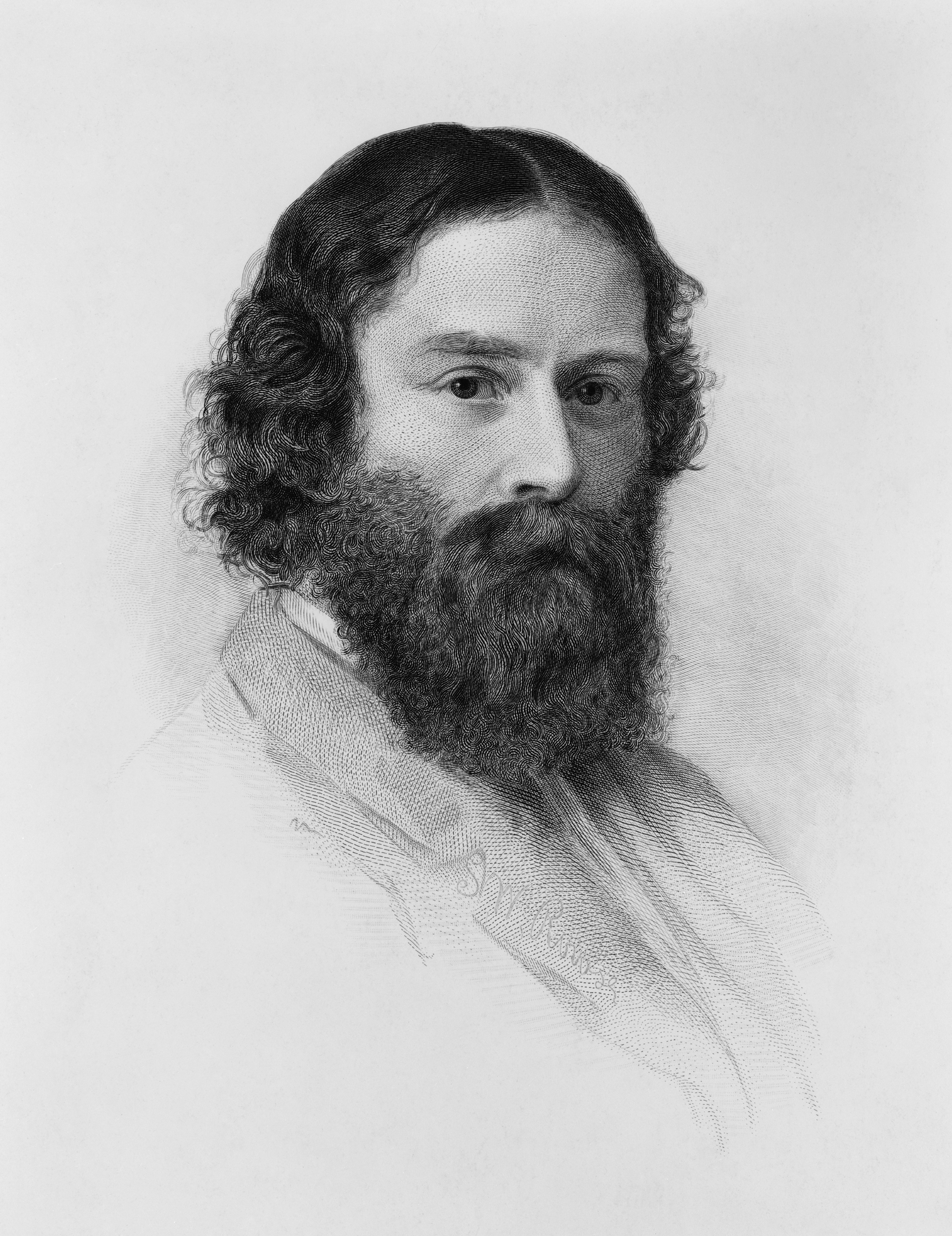
James Russell Lowell è stato un poeta, critico letterario e diplomatico statunitense, incluso nella lista di personaggi della Hall of Fame for Great Americans. Wikipedia
“Solo gli stolti e i morti non cambiano mai le loro opinioni.”
da Abraham Lincoln 1864, in My Study Windows, 1871 <br class="br">Origine: My Study Windows p.166 https://archive.org/stream/windowsmystudy00lowerich#page/166/search/Lincoln
“Che sensazione di sicurezza dà un vecchio libro che il Tempo ha criticato per noi!”
da A Library of Old Authors, in Literary Essays, vol. I, 1864-1890
“Non c'è niente di più disperatamente monotono del mare; non mi stupisco della ferocia dei pirati.”
da Fireside Travels, At Sea, 1864
da Democracy and Addresses, Democracy
da Rousseau and the Sentimentalists, in Literary Essays, vol. II, 1870-1890
“Un saggio scetticismo è il primo attributo di un buon critico.”
da Shakespeare Once More, in Literary Essays, vol. III, 1870-1890
“Benedetti coloro che non hanno nulla da dire e che non si lasciano convincere a dirlo.”
da Shakespeare Once More, in Literary Essays, vol. III, 1870-1890
No. 10.
The Biglow Papers (1848–1866), Series II (1866)
“We kind o' thought Christ went agin war an' pillage.”
No. 3
The Biglow Papers (1848–1866), Series I (1848)
No. 6, st. 10
The Biglow Papers (1848–1866), Series I (1848)
Witchcraft
Literary Essays, vol. II (1870–1890)
On Democracy (6 October 1884)
“The very room, coz she was in,
Seemed warm from floor to ceilin”
The Courtin' .
The Biglow Papers (1848–1866), Series II (1866)
No. 1, st. 6
The Biglow Papers (1848–1866), Series I (1848)
No. 3.
The Biglow Papers (1848–1866), Series II (1866)
"On the Capture of Certain Fugitive Slaves Near Washington" (1845)
Witchcraft
Literary Essays, vol. II (1870–1890)
On Democracy (6 October 1884)
St. 3. <br class="br"> Ode Recited at the Harvard Commemoration http://www.readbookonline.net/readOnLine/1169/ (July 21, 1865)
No. 10.
The Biglow Papers (1848–1866), Series II (1866)
“The surest plan to make a Man
Is, think him so.”
No. 2.
The Biglow Papers (1848–1866), Series II (1866)
Sonnet, The Maple http://www.theatlantic.com/ideastour/archive/lowell.mhtml (1875)
“Here was a type of the true elder race,
And one of Plutarch's men talked with us face to face.”
St. 5. <br class="br"> Ode Recited at the Harvard Commemoration http://www.readbookonline.net/readOnLine/1169/ (July 21, 1865)
Literary Essays, vol. II (1870–1890), New England Two Centuries Ago
Literary Essays, vol. II (1870–1890), New England Two Centuries Ago
“Solitude is as needful to the imagination as society is wholesome for the character.”
Dryden
Literary Essays, vol. III (1870-1890)
No. 1, st. 5
The Biglow Papers (1848–1866), Series I (1848)
“Talent is that which is in a man's power; genius is that in whose power a man is.”
Literary Essays, vol. II (1870–1890), Rousseau and the Sentimentalists
The Cathedral, st. 9
Referring to John C. Breckenridge and Stephen A. Douglas (Abraham Lincoln's opponents)
The Election in November 1860 (1860)
The Courtin' .
The Biglow Papers (1848–1866), Series II (1866)
No. 1, st. 2
The Biglow Papers (1848–1866), Series I (1848)


