“Solo gli stolti e i morti non cambiano mai le loro opinioni.”
da Abraham Lincoln 1864, in My Study Windows, 1871 <br class="br">Origine: My Study Windows p.166 https://archive.org/stream/windowsmystudy00lowerich#page/166/search/Lincoln
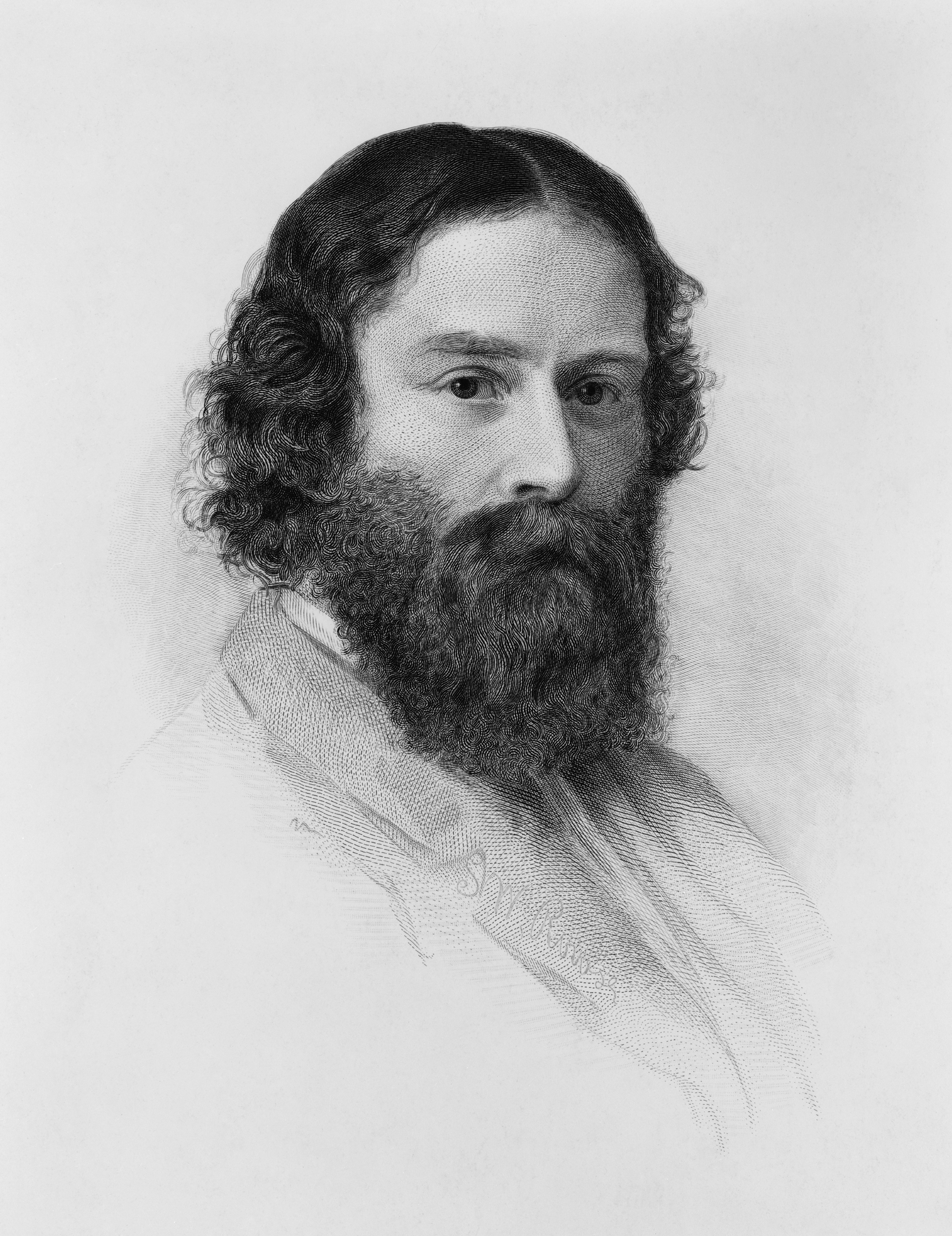
James Russell Lowell è stato un poeta, critico letterario e diplomatico statunitense, incluso nella lista di personaggi della Hall of Fame for Great Americans. Wikipedia
“Solo gli stolti e i morti non cambiano mai le loro opinioni.”
da Abraham Lincoln 1864, in My Study Windows, 1871 <br class="br">Origine: My Study Windows p.166 https://archive.org/stream/windowsmystudy00lowerich#page/166/search/Lincoln
“Che sensazione di sicurezza dà un vecchio libro che il Tempo ha criticato per noi!”
da A Library of Old Authors, in Literary Essays, vol. I, 1864-1890
“Non c'è niente di più disperatamente monotono del mare; non mi stupisco della ferocia dei pirati.”
da Fireside Travels, At Sea, 1864
da Democracy and Addresses, Democracy
da Rousseau and the Sentimentalists, in Literary Essays, vol. II, 1870-1890
“Un saggio scetticismo è il primo attributo di un buon critico.”
da Shakespeare Once More, in Literary Essays, vol. III, 1870-1890
“Benedetti coloro che non hanno nulla da dire e che non si lasciano convincere a dirlo.”
da Shakespeare Once More, in Literary Essays, vol. III, 1870-1890
Epistle to George William Curtis (1874)
“Ez to my princerples, I glory
In hevin' nothin' o' the sort.”
No. 7
The Biglow Papers (1848–1866), Series I (1848)
The Courtin' .
The Biglow Papers (1848–1866), Series II (1866)
“All kin' o' smily round the lips,
An' teary round the lashes.”
The Courtin' .
The Biglow Papers (1848–1866), Series II (1866)
“You've gut to git up airly
Ef you want to take in God.”
No. 1, st. 2
The Biglow Papers (1848–1866), Series I (1848)
“My gran'ther's rule was safer 'n 'tis to crow:
Don't never prophesy — onless ye know.”
No. 2.
The Biglow Papers (1848–1866), Series II (1866)
“The traitor to Humanity is the traitor most accurst.”
Interview with Miles Standish.
Bartlett's Familiar Quotations, 10th ed. (1919)
“Folks never understand the folks they hate.”
No. 2.
The Biglow Papers (1848–1866), Series II (1866)
To the Dandelion http://www.gaygardener.com/poems/gpoem072.phtml, st. 1
A Glance Behind the Curtain (1843)
“The clear, sweet singer with the crown of snow
Not whiter than the thoughts that housed below.”
Epistle to George William Curtis (1874)
On Democracy (6 October 1884)
No. 7
The Biglow Papers (1848–1866), Series I (1848)
On Democracy (6 October 1884)
On Democracy (6 October 1884)
Contesto: There is no good in arguing with the inevitable. The only argument available with an east wind is to put on your overcoat. And in this case, also, the prudent will prepare themselves to encounter what they cannot prevent. Some people advise us to put on the brakes, as if the movement of which we are conscious were that of a railway train running down an incline. But a metaphor is no argument, though it be sometimes the gunpowder to drive one home and imbed it in the memory.
On Democracy (6 October 1884)
“Ef you want peace, the thing you've gut tu du
Is jes' to show you're up to fightin', tu.”
No. 2.
The Biglow Papers (1848–1866), Series II (1866)
“A wise skepticism is the first attribute of a good critic.”
Shakespeare Once More
Literary Essays, vol. III (1870-1890)
Prelude to Pt. I, st. 3
The Vision of Sir Launfal (1848)
“An umbrella is of no avail against a Scotch mist.”
On a Certain Condesceneion in Foreigners
Literary Essays, vol. III (1870-1890)
“Like streams that keep a summer mind
Snow-hid in Jenooary.”
The Courtin' .
The Biglow Papers (1848–1866), Series II (1866)
The Election in November 1860 (1860)
James Russell Lowell A Fable for Critics
Pt. VI - Poe and Longfellow, st. 1
A Fable for Critics (1848)


