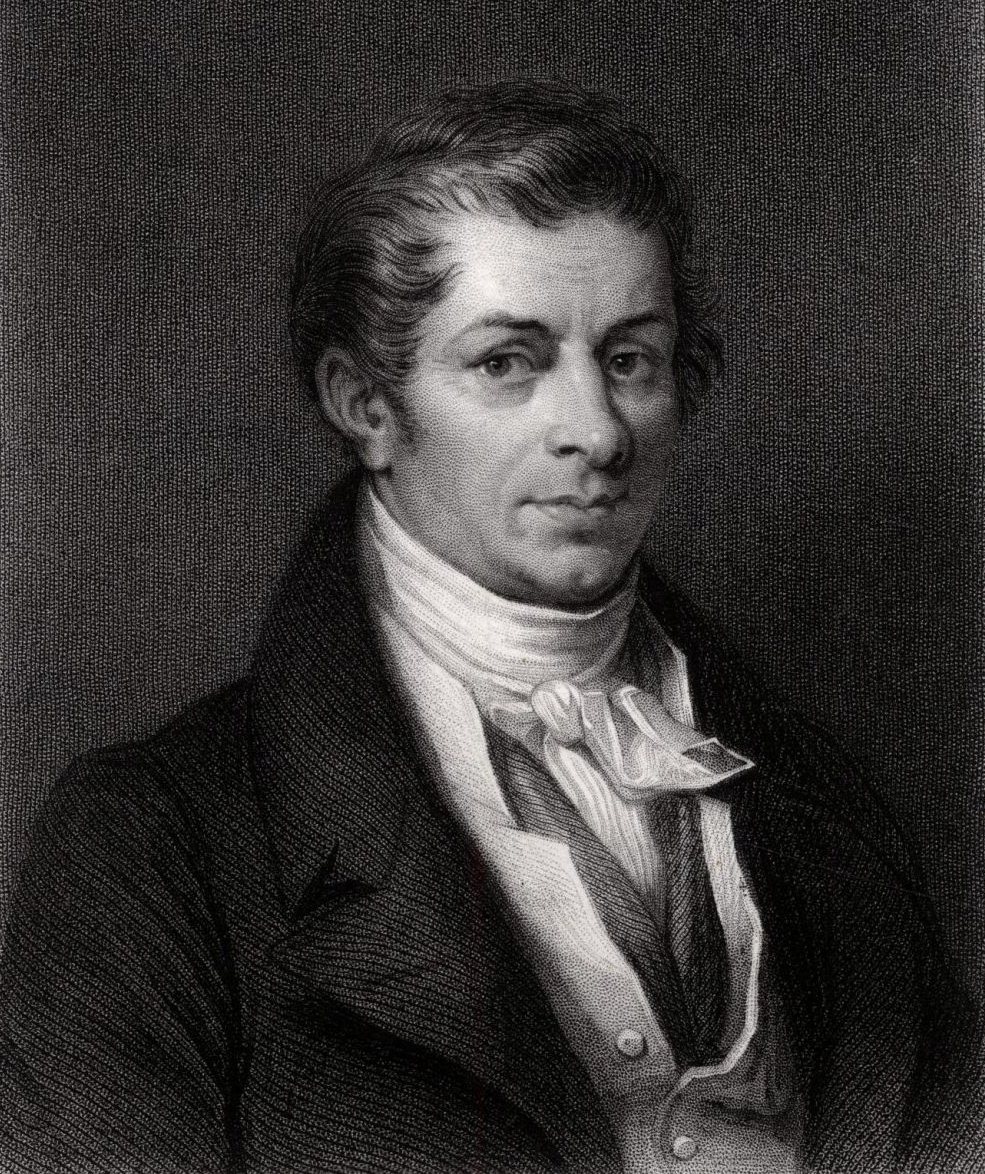
Origine: A Treatise On Political Economy (Fourth Edition) (1832), Book I, On Production, Chapter XV, p. 133 (See also: Say's Law)
Contesto: A man who applies his labour to the investing of objects with value by the creation of utility of some sort, can not expect such a value to be appreciated and paid for, unless where other men have the means of purchasing it. Now, of what do these means consist? Of other values of other products, likewise the fruits of industry, capital, and land. Which leads us to a conclusion that may at first appear paradoxical, namely, that it is production which opens a demand for products.
Jean-Baptiste Say: 72 citazioni0 Mi piace
Jean-Baptiste Say: Frasi in inglese
Origine: A Treatise On Political Economy (Fourth Edition) (1832), Book I, On Production, Chapter XXI, Section V, p. 238
Contesto: And let no government imagine, that, to strip them of the power of defrauding their subjects, is to deprive them of a valuable privilege. A system of swindling can never be long lived, and must infallibly in the end produce much more loss than profit.
Origine: A Treatise On Political Economy (Fourth Edition) (1832), Book III, On Consumption, Chapter I, p. 391 (See also: Say's Law)
Origine: A Treatise On Political Economy (Fourth Edition) (1832), Book III, On Consumption, Chapter VI, Section II, p. 436
Origine: A Treatise On Political Economy (Fourth Edition) (1832), Book III, On Consumption, Chapter VI, Section II, p. 432
Origine: A Treatise On Political Economy (Fourth Edition) (1832), Book I, On Production, Chapter VII, p. 85
Origine: A Treatise On Political Economy (Fourth Edition) (1832), Book I, On Production, Chapter XXI, Section VI, p. 244
Origine: A Treatise On Political Economy (Fourth Edition) (1832), Book I, On Production, Chapter XIX, p. 207
Origine: A Treatise On Political Economy (Fourth Edition) (1832), Introduction, p. xlix
“The quantity of money, which is readily parted with to obtain a thing is called its price.”
Origine: A Treatise On Political Economy (Fourth Edition) (1832), Book I, On Production, Chapter I, p. 61
Origine: A Treatise On Political Economy (Fourth Edition) (1832), Book III, On Consumption, Chapter VIII, Section I, p. 449
Origine: A Treatise On Political Economy (Fourth Edition) (1832), Book II, On Distribution, Chapter XI, Section I, p. 381 (See also: Max Weber)
Origine: A Treatise On Political Economy (Fourth Edition) (1832), Book III, On Consumption, Chapter VI, Section II, p. 439
“The difficulty lies, not in finding a producer, but in finding a consumer.”
Origine: A Treatise On Political Economy (Fourth Edition) (1832), Book III, On Consumption, Chapter IV, p. 399 (See also:Say's Law, Michał Kalecki, John Maynard Keynes)
Origine: A Treatise On Political Economy (Fourth Edition) (1832), Introduction, p. xvii
Origine: A Treatise On Political Economy (Fourth Edition) (1832), Book III, On Consumption, Chapter IX, p. 487
Origine: A Treatise On Political Economy (Fourth Edition) (1832), Book I, On Production, Chapter XV, p. 138
Origine: A Treatise On Political Economy (Fourth Edition) (1832), Book I, On Production, Chapter XVII, Section II, p. 177
“Capital in the hands of a national government forms a part of the gross national capital.”
Origine: A Treatise On Political Economy (Fourth Edition) (1832), Book I, On Production, Chapter III, p. 73
“The theory of interest was wrapped in utter obscurity, until Hume and Smith dispelled the vapor.”
Origine: A Treatise On Political Economy (Fourth Edition) (1832), Book II, On Distribution, Chapter VIII, Section I, p. 354
Origine: A Treatise On Political Economy (Fourth Edition) (1832), Book I, On Production, Chapter II, p. 69
Origine: A Treatise On Political Economy (Fourth Edition) (1832), Introduction, p. liv
“What can we expect from nations still less advanced in civilization than the Greeks?”
Origine: A Treatise On Political Economy (Fourth Edition) (1832), Introduction, p. xxix
Origine: A Treatise On Political Economy (Fourth Edition) (1832), Book I, On Production, Chapter IX, p. 101
Origine: A Treatise On Political Economy (Fourth Edition) (1832), Book III, On Consumption, Chapter VI, Section I, p. 418
Origine: A Treatise On Political Economy (Fourth Edition) (1832), Introduction, p. xix
Origine: A Treatise On Political Economy (Fourth Edition) (1832), Book II, On Distribution, Chapter I, p. 290
Origine: A Treatise On Political Economy (Fourth Edition) (1832), Book II, On Distribution, Chapter I, p. 285
“At Newfoundland, it is said, that dried cod performs the office of money”
Origine: A Treatise On Political Economy (Fourth Edition) (1832), Book I, On Production, Chapter XXI, Section II, p. 221
Origine: A Treatise On Political Economy (Fourth Edition) (1832), Introduction, p. xxvi


