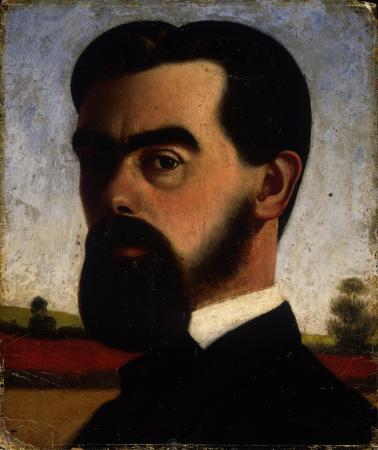
Samuel Butler frasi celebri
“Se la vita non deve essere presa troppo seriamente, la morte neppure.”
"Death"
Taccuini
Origine: Citato in Dizionario delle citazioni, a cura di Italo Sordi, BUR, 1992. ISBN 14603-X
“È meglio aver amato e perduto che non aver mai amato.”
Taccuini
Origine: Citato in Dammi mille baci, e ancora cento. Le più belle citazioni sull'amore, a cura delle Redazioni Garzanti, Garzanti, 2013.
“I libri più vecchi, per chi non li ha letti, sono appena usciti.”
Origine: Citato in Dizionario delle citazioni, a cura di Italo Sordi, BUR, 1992. ISBN 14603-X
"First Principles"
Taccuini
Origine: Citato in Dizionario delle citazioni, a cura di Italo Sordi, BUR, 1992. ISBN 14603-X
Samuel Butler: Frasi in inglese
Vice and Virtue, iii
The Note-Books of Samuel Butler (1912), Part II - Elementary Morality
Thinking
The Note-Books of Samuel Butler (1912), Part V - Vibrations
Agonising
The Note-Books of Samuel Butler (1912), Part VII - On the Making of Music, Pictures, and Books
The Art of Covery
The Note-Books of Samuel Butler (1912), Part XI - Cash and Credit
Ramblings In Cheapside (1890)
“Time is the only true purgatory.”
Purgatory
The Note-Books of Samuel Butler (1912), Part XIV - Higgledy-Piggledy
Moral Influence
The Note-Books of Samuel Butler (1912), Part VI - Mind and Matter
“The devil tempted Christ; yes, but it was Christ who tempted the devil to tempt him.”
Further Extracts from the Note-Books of Samuel Butler http://books.google.com/books?id=zltaAAAAMAAJ&q=%22The+devil+tempted+Christ+yes+but+it+was+Christ+who+tempted+the+devil+to+tempt+him%22&pg=PA76#v=onepage, compiled and edited by A.T. Bartholomew (1934), p. 76
The Art of Propagating Opinion
The Note-Books of Samuel Butler (1912), Part X - The Position of a HomoUnius Libri
Sin
The Note-Books of Samuel Butler (1912), Part II - Elementary Morality
Making Notes
The Note-Books of Samuel Butler (1912), Part VII - On the Making of Music, Pictures, and Books
“The world will, in the end, follow only those who have despised as well as served it.”
The World
The Note-Books of Samuel Butler (1912), Part XXIV - The Life of the World to Come
Populus Vult
The Note-Books of Samuel Butler (1912), Part XII - The Enfant Terrible of Literature
Posthumous Life, i
The Note-Books of Samuel Butler (1912), Part XXIV - The Life of the World to Come
“Life is the art of drawing sufficient conclusions from insufficient premises.”
Life, ix
The Note-Books of Samuel Butler (1912), Part I - Lord, What is Man?
Origine: Erewhon (1872), Ch. 18
Vice and Virtue, ii
The Note-Books of Samuel Butler (1912), Part II - Elementary Morality
“You can do very little with faith, but you can do nothing without it.”
Faith, ii
The Note-Books of Samuel Butler (1912), Part XXI - Rebelliousness
New Ideas
The Note-Books of Samuel Butler (1912), Part VII - On the Making of Music, Pictures, and Books
Future and Past
The Note-Books of Samuel Butler (1912), Part XIV - Higgledy-Piggledy
“Truth consists not in never lying but in knowing when to lie and when not to do so.”
Falsehood, i
The Note-Books of Samuel Butler (1912), Part XIX - Truth and Convenience
The Credulous Eye
The Note-Books of Samuel Butler (1912), Part IX - A Painter's Views on Painting
Ramblings In Cheapside (1890)
Adam and Eve
The Note-Books of Samuel Butler (1912), Part XVI - Written Sketches
Reputation
The Note-Books of Samuel Butler (1912), Part XIV - Higgledy-Piggledy
“The best liar is he who makes the smallest amount of lying go the longest way.”
Ch. 39 http://books.google.com/books?id=wZAEAQAAIAAJ&q=%22The+best+liar+is+he+who+makes+the+smallest+amount+of+lying+go+the+longest+way%22&pg=PA190#v=onepage
The Way of All Flesh (1903)
“If a man would get hold of the public era, he must pay, marry, or fight.”
Ramblings In Cheapside (1890)
God and Man
The Note-Books of Samuel Butler (1912), Part II - Elementary Morality


