“Ma tutte le cose eccellenti sono tanto difficili quanto rare.”
Sed omnia praeclara tam difficilia quam rara sunt
Man's Search For Meaning: The classic tribute to hope from the Holocaust
Esplorate le potenti citazioni di Viktor E. Frankl sullo scopo, la resilienza e la ricerca del significato nelle sfide della vita. Sperimentate intuizioni trasformative che ispirano, ricordandoci il nostro straordinario potenziale.
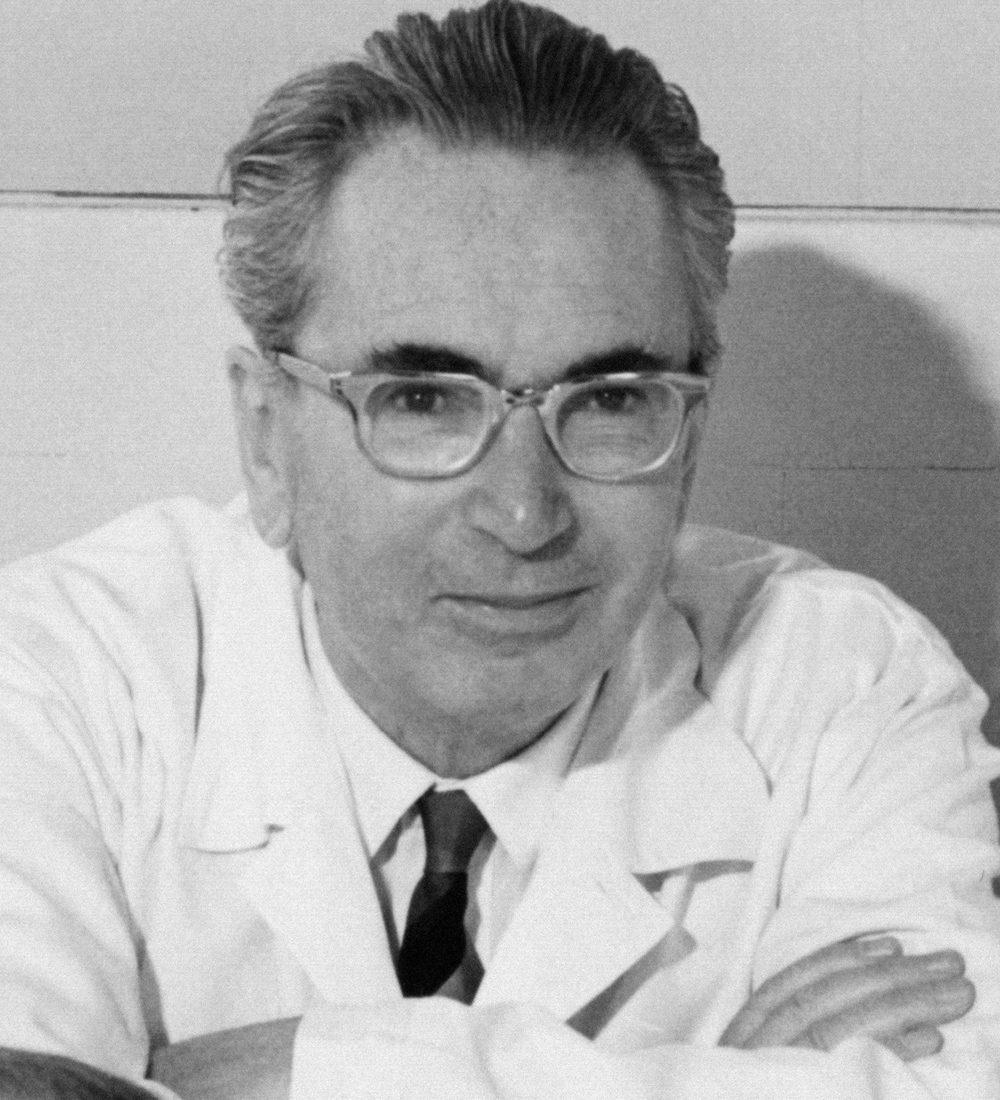
Viktor Emil Frankl è stato un noto neurologo, psichiatra e filosofo austriaco. È stato uno dei fondatori dell'analisi esistenziale e della logoterapia, una forma di terapia che cerca di rivelare l'essenza profondamente umana e spirituale dell'individuo. Durante la Seconda Guerra Mondiale, Frankl fu prigioniero in vari campi di concentramento tedeschi, tra cui Auschwitz e Dachau. Nonostante le terribili esperienze vissute durante la deportazione, Frankl riuscì a trarre ispirazione per i suoi scritti successivi sui significati della vita e sulla spiritualità.
La sua teoria della nevrosi noogena sostenne che l'equilibrio mentale dipende dalla percezione significativa di sé stessi e delle proprie esperienze. Secondo Frankl, quando l'individuo non si sente "significativo", cerca compensazioni attraverso gratificazioni artificiali o atteggiamenti di potenza. Questa concezione differisce dall'uomo contemporaneo che non è più frustrato sessualmente, ma piuttosto soffre di una mancanza di valori nel proprio universo. L'eredità intellettuale lasciata da Viktor Emil Frankl continua ad essere una fonte di grande ispirazione per molte persone interessate alla psicologia esistenziale e spirituale.
“Ma tutte le cose eccellenti sono tanto difficili quanto rare.”
Sed omnia praeclara tam difficilia quam rara sunt
Man's Search For Meaning: The classic tribute to hope from the Holocaust
Origine: Citato in Maria Teresa Russo, Etica del corpo tra medicina ed estetica, Rubbettino, Catanzaro, 2008, p. 11.
“To suffer unecessarily is masochistic rather than heroic.”
Viktor E. Frankl libro Man's Search for Meaning
Variante: To Suffer unnecessarily is masochistic rather than heroic.
Origine: Man's Search for Meaning
Viktor E. Frankl libro Man's Search for Meaning
Origine: Man's Search for Meaning
“Fear makes come true that which one is afraid of.”
Viktor E. Frankl libro Man's Search for Meaning
Origine: Man's Search for Meaning
Viktor E. Frankl libro Man's Search for Meaning
Origine: Man's Search for Meaning (1946; 1959; 1984), p. 67 in the 1959 Beacon Press edition
“The truth-that love is the highest goal to which man can aspire.”
Viktor E. Frankl libro Man's Search for Meaning
Origine: Man's Search for Meaning
Viktor E. Frankl libro Man's Search for Meaning
Origine: Man's Search for Meaning
Viktor E. Frankl libro Man's Search for Meaning
Origine: Man's Search for Meaning
Origine: Man's Search for Ultimate Meaning
Viktor E. Frankl libro Man's Search for Meaning
Origine: Man's Search for Meaning
Origine: Man's Search For Meaning: The classic tribute to hope from the Holocaust
Viktor E. Frankl libro Man's Search for Meaning
Origine: Man's Search for Meaning (1946; 1959; 1984), p. 126 in the 1984 Pocket Books edition
Viktor E. Frankl libro Man's Search for Meaning
Man's Search for Meaning (1946; 1959; 1984)
Viktor E. Frankl libro Man's Search for Meaning
Origine: Man's Search for Meaning
“You may of course ask whether we really need to refer to "saints."”
Viktor E. Frankl libro Man's Search for Meaning
Postscript 1984 : The Case for a Tragic Optimism, based on a lecture at the Third World Congress of Logotherapy, Regensburg University (19 June 1983)
Man's Search for Meaning (1946; 1959; 1984)
Contesto: You may of course ask whether we really need to refer to "saints." Wouldn't it suffice just to refer to decent people? It is true that they form a minority. More than that, they always will remain a minority. And yet I see therein the very challenge to join the minority. For the world is in a bad state, but everything will become still worse unless each of us does his best.
So, let us be alert — alert in a twofold sense:
Since Auschwitz we know what man is capable of.
And since Hiroshima we know what is at stake.
Man's Search for Ultimate Meaning (1997)
Contesto: It is true, Logotherapy, deals with the Logos; it deals with Meaning. Specifically I see Logotherapy in helping others to see meaning in life. But we cannot “give” meaning to the life of others. And if this is true of meaning per se, how much does it hold for Ultimate Meaning?
Viktor E. Frankl libro Man's Search for Meaning
Origine: Man's Search for Meaning
Viktor E. Frankl libro Man's Search for Meaning
Origine: Man's Search for Meaning
Viktor E. Frankl libro Man's Search for Meaning
Origine: Man's Search for Meaning
Viktor E. Frankl libro Man's Search for Meaning
Origine: Man's Search for Meaning
Viktor E. Frankl libro Man's Search for Meaning
Origine: Man's Search for Meaning
“There are things which must cause you to lose your reason or you have none to lose”
Viktor E. Frankl libro Man's Search for Meaning
Origine: Man's Search for Meaning
“Since Auschwitz we know what man is capable of.
And since Hiroshima we know what is at stake.”
Viktor E. Frankl libro Man's Search for Meaning
Postscript 1984 : The Case for a Tragic Optimism, based on a lecture at the Third World Congress of Logotherapy, Regensburg University (19 June 1983)
Variante: So, let us be alert in a twofold sense: Since Auschwitz we know what man is capable of. And since Hiroshima we know what is at stake.
Origine: Man's Search for Meaning (1946; 1959; 1984)
Contesto: You may of course ask whether we really need to refer to "saints." Wouldn't it suffice just to refer to decent people? It is true that they form a minority. More than that, they always will remain a minority. And yet I see therein the very challenge to join the minority. For the world is in a bad state, but everything will become still worse unless each of us does his best.
So, let us be alert — alert in a twofold sense:
Since Auschwitz we know what man is capable of.
And since Hiroshima we know what is at stake.


