Washington Irving libro La leggenda di Sleepy Hollow
2012, pp. 7-8
La leggenda di Sleepy Hollow
Washington Irving è stato uno scrittore statunitense.
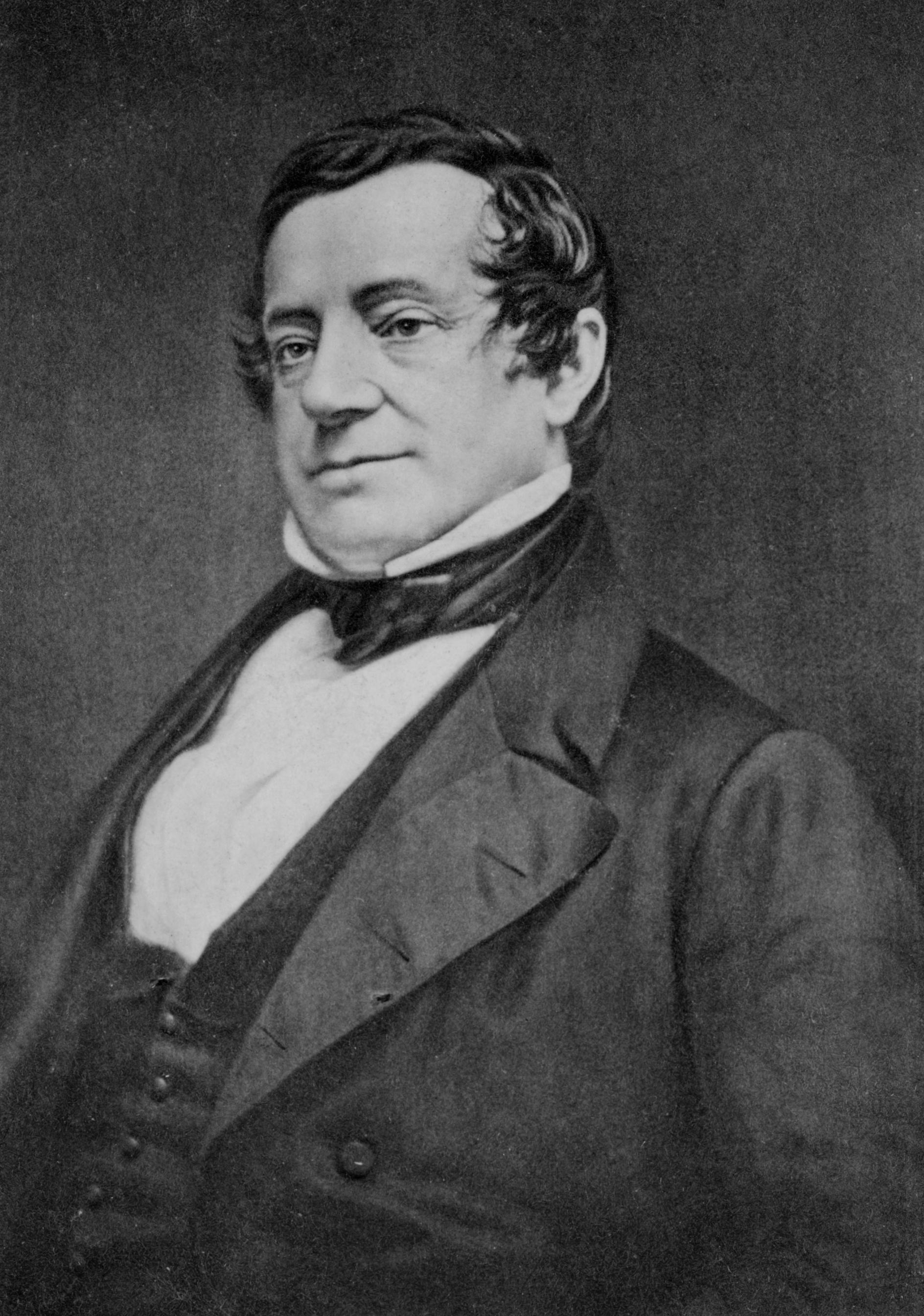
Washington Irving libro La leggenda di Sleepy Hollow
2012, pp. 7-8
La leggenda di Sleepy Hollow
Origine: Da La vigilia di natale; in Il libro degli schizzi.
pag. 46
La leggenda della Valle Addormentata
1992, pag. 71
La leggenda della Valle Addormentata
“Una lingua tagliente è l'unico strumento acuminato che migliora con l'uso.”
Origine: Da Rip Van Winkle, contenuto ne Libri degli schizzi di Geoffrey Crayon.
pag. 67
La leggenda della Valle Addormentata
Washington Irving libro La leggenda di Sleepy Hollow
2012, pp. 11-12
La leggenda di Sleepy Hollow
Washington Irving libro La leggenda di Sleepy Hollow
2012, p. 26
La leggenda di Sleepy Hollow
Washington Irving libro La leggenda di Sleepy Hollow
2012, pp. 17-18
La leggenda di Sleepy Hollow
Mahomet and his successors, George P. Putnam, 1850, p. 330-331.
Mahomet and his successors (1849)
“They who drink beer will think beer.”
Washington Irving libro The Sketch Book of Geoffrey Crayon, Gent.
"Stratford-on-Avon".
The Sketch Book of Geoffrey Crayon (1819–1820)
Washington Irving libro The Sketch Book of Geoffrey Crayon, Gent.
"The Westminster Abbey [The Poets' Corner]".
The Sketch Book of Geoffrey Crayon (1819–1820)
Washington Irving libro The Sketch Book of Geoffrey Crayon, Gent.
"Westminster Abbey".
The Sketch Book of Geoffrey Crayon (1819–1820)
“Free-livers on a small scale, who are prodigal within the compass of a guinea.”
The Stout Gentleman http://web.archive.org/20020106095151/www.geocities.com/cyber_explorer99/.
Book IV, ch. 241. <br class="br"> Knickerbocker's History of New York http://www.gutenberg.org/etext/13042 (1809)
Mahomet and his successors, George P. Putnam, 1850, p. 330.
Mahomet and his successors (1849)
Washington Irving libro The Sketch Book of Geoffrey Crayon, Gent.
"Rip Van Winkle".
The Sketch Book of Geoffrey Crayon (1819–1820)
“I am always at a loss to know how much to believe of my own stories.”
Tales of a Traveler http://www.gutenberg.org/etext/13514, To the Reader http://books.google.com/books?id=6R0GAAAAQAAJ&q=%22I+am+always+at+a+loss+to+know+how+much+to+believe+of+my+own+stories%22&pg=PR13#v=onepage (1824).
Washington Irving libro The Sketch Book of Geoffrey Crayon, Gent.
"Westminster Abbey".
The Sketch Book of Geoffrey Crayon (1819–1820)
The Creole Village published in The Knickerbocker magazine (November 1836). This is origin of the expression almighty dollar. See Edward Bulwer-Lytton for "the pursuit of the almighty dollar". Compare: "Whilst that for which all virtue now is sold, And almost every vice,—almighty gold", Ben Jonson, Epistle to Elizabeth, Countess of Rutland.
Book IV, ch. 4. <br class="br"> Knickerbocker's History of New York http://www.gutenberg.org/etext/13042 (1809)
Letter to William Irving, Jr., about his positive attitude acquired while traveling in Europe.
Origine: Washington Irving to William Irving Jr., September 20, 1804, Works 23:90.
Book II, ch. 3. <br class="br"> Knickerbocker's History of New York http://www.gutenberg.org/etext/13042 (1809)
Washington Irving libro The Sketch Book of Geoffrey Crayon, Gent.
"Rural Funerals".
The Sketch Book of Geoffrey Crayon (1819–1820)


