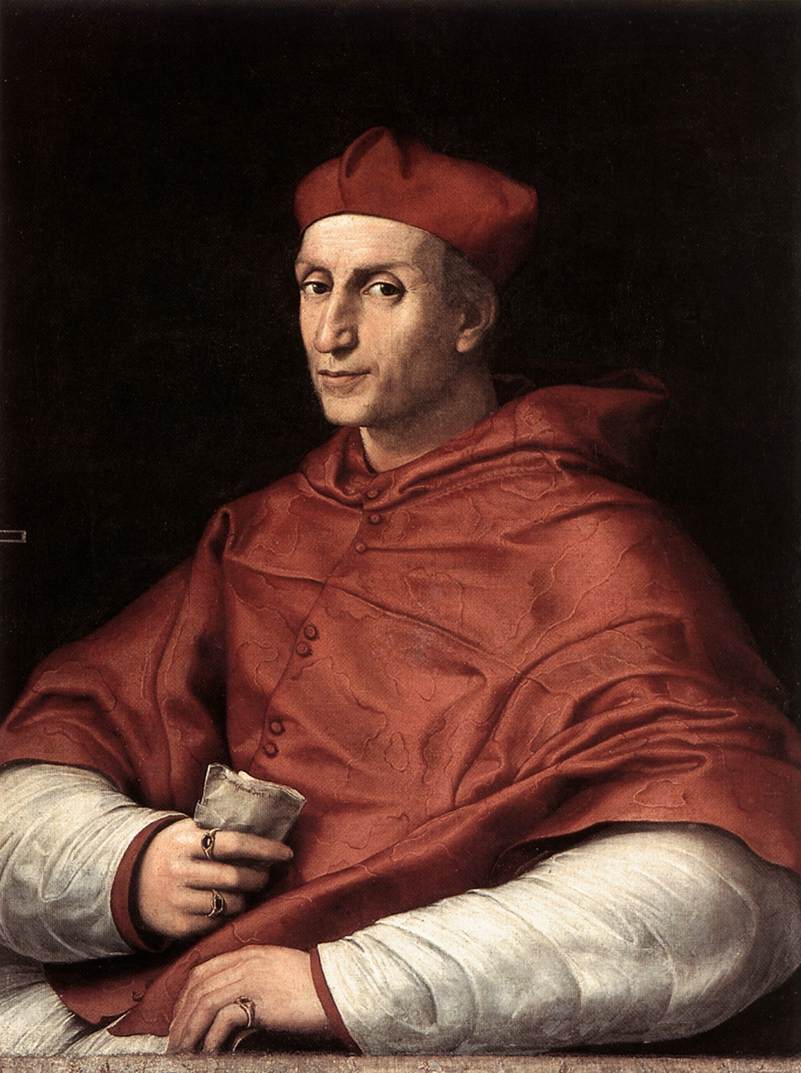
Bernardo Dovizi da Bibbiena: 26 citazioni0 Mi piace
Bernardo Dovizi da Bibbiena frasi celebri
Bernardo Dovizi da Bibbiena Frasi e Citazioni
“L'uomo mai un disegno non fa che la Fortuna un altro non ne faccia.”
Fessenio: atto I, scena I
La Calandria
Variante: L’uomo mai un disegno non fa, che la fortuna un altro non ne faccia.
“Un buon servo non dee mai avere ozio.”
Fessenio: atto I, scena I
La Calandria (c. 1507)
“Un padrone quanti ha più servi tanti più ha inimici.”
Polinico: atto I, scena II
La Calandria
Variante: Un padrone, quanti ha più servi, tanti più ha inimici.
“Chi ha amore in seno sempre ha i sproni in fianco.”
Samia: atto II, scena VII
La Calandria
Variante: Chi ha amore in seno sempre ha i sproni in fiance.
“Chi scappa d'un punto ne schifa cento.”
Fannio: atto IV, scena IV
La Calandria
Variante: Chi scappa d’un punto ne schifa cento.
Bernardo Dovizi da Bibbiena: Frasi in inglese
“It is better to speak the truth, and lose, than to win by lying.”
Act I, scene II. — (Polinico).
Translation reported in Harbottle's Dictionary of quotations French and Italian (1904), p. 298.
La Calandria (c. 1507)
“The more servants a master has, the more enemies he has.”
Act I, scene II. — (Polinico).
Translation reported in Harbottle's Dictionary of quotations French and Italian (1904), p. 432.
La Calandria (c. 1507)
“He cannot manage the calf, and wants to carry the ox.”
Act I, scene II. — (Fesserio).
Translation reported in Harbottle's Dictionary of quotations French and Italian (1904), p. 377.
La Calandria (c. 1507)
“Who flies from one danger escapes a hundred.”
Chi scappa d’un punto ne schifa cento.
Act IV, scene IV. — (Fannio).
Translation reported in Harbottle's Dictionary of quotations French and Italian (1904), p. 271.
La Calandria (c. 1507)
“You cannot believe a woman, even when she is dead.”
Act I, scene II. — (Polinico).
Translation reported in Harbottle's Dictionary of quotations French and Italian (1904), p. 241.
La Calandria (c. 1507)
“Woman over money is like the sun upon ice, which is all the time: melting and consuming it.”
Act V, scene I. — (Samia).
Translation reported in Harbottle's Dictionary of quotations French and Italian (1904), p. 340.
La Calandria (c. 1507)
“He who has love in his breast has ever the spurs at his flanks.”
Act II, scene VII — (Samia).
Translation reported in Harbottle's Dictionary of quotations French and Italian (1904), p. 264.
La Calandria (c. 1507)
“Fair is his end who loving well doth die.”
Act I, scene II. — (Lidio).
Translation reported in Harbottle's Dictionary of quotations French and Italian (1904), p. 254.
La Calandria (c. 1507)
“ A good servant should never have any leisure.”
Act I, scene I. — (Fessenio).
Translation reported in Harbottle's Dictionary of quotations French and Italian (1904), p. 431.
La Calandria (c. 1507)
“ Man never makes a plan but fortune makes another.”
Act I, scene I. — (Fessenio).
Translation reported in Harbottle's Dictionary of quotations French and Italian (1904), p. 338.
La Calandria (c. 1507)
“He cannot be the better in counsels who is the worse in morals.”
Act I, scene II. — (Polinico).
Translation reported in Harbottle's Dictionary of quotations French and Italian (1904), p. 377.
La Calandria (c. 1507)
“Act I, scene II. — (Polinico).”
Bernardo Dovizi libro La calandria
Un padrone, quanti ha più servi, tanti più ha inimici.
Translation: The more servants a master has, the more enemies he has.
Translation reported in Harbottle's Dictionary of quotations French and Italian (1904), p. 432.
La Calandria (c. 1507)
“Act I, scene II. — (Fesserio).”
Bernardo Dovizi libro La calandria
Non può il vitello, e vuol che porti il hue.
Translation: He cannot manage the calf, and wants to carry the ox.
Translation reported in Harbottle's Dictionary of quotations French and Italian (1904), p. 377.
La Calandria (c. 1507)


