“"I'd rather betray others, than have others betray me."”
Statement in 190, after falsely killing Lü Boshe. Source: Sun Sheng Zaji, page 5 of Sanguo Zhi.
Cáo Cāo è stato un funzionario, poeta e generale cinese, ultimo primo ministro della Dinastia Han, più precisamente degli Han Orientali o Han Posteriori.
Nel periodo di disordini che segnarono la fine della Dinastia, si appropriò del dominio della Cina settentrionale. Divenne quindi una delle figure più importanti del periodo dei Tre Regni e noto con il nome postumo di Imperatore Wu di Wei. In realtà, pur avendo posto Cáo Cāo le basi necessarie alla fondazione della dinastia, fu suo figlio Cao Pi 曹丕 ad accettare l'abdicazione dell'ultimo imperatore della dinastia Han, fondando quindi la dinastia Wei, meglio nota come Cao Wei 曹魏 . Durante il suo regno, nel 215 d.C. venne ufficialmente riconosciuta la Chiesa taoista dei Maestri Celesti . Fu noto come letterato e come stratega, ma divenne anche il protagonista di numerose opere letterarie. Wikipedia
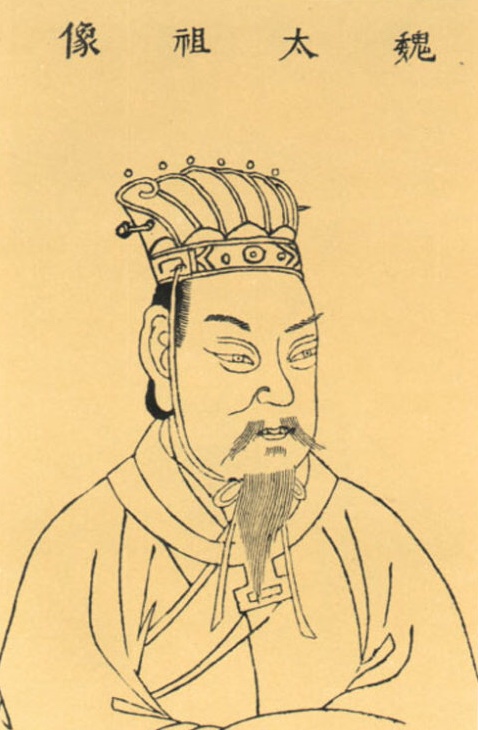
“"I'd rather betray others, than have others betray me."”
Statement in 190, after falsely killing Lü Boshe. Source: Sun Sheng Zaji, page 5 of Sanguo Zhi.
Statement to Chen Gong after falsely killing Lü Boshe and his household. Source: Romance of the Three Kingdoms. An adaptation of the Sanguo Zhi new 2010.
likely intentional misquote by the novel of the quote「宁我负人,毋人负我」above to add character to the story.
Attributed
Statement by Cao Cao around 191 during a discussion with Yuan Shao. The two compare their long term strategies, with Cao giving an abstract approach. The conversation is generaly considered to be fictional, and recorded only for allegorical effect. Source: Sanguo Zhi, page 26.
Statement from Cao Cao to his advisors before he face Yuan Shao in the Battle of Guandu Source: Romance of the Three Kingdoms. An adaptation of the Sanguo Zhi new 2010.
Attributed
“"Recognise and acknowledge your mistake, but never admit your mistake."”
Statement to one of his advisors when he realised that Cao Cao made a mistake. Source: Romance of the Three Kingdoms. An adaptation of the Sanguo Zhi new 2010.
Attributed
“"Each man is for his lord, do not give chase."”
Statement to his retainers in 200, referring to the recently left Guan Yu. Source: page 940 of Sanguo Zhi.


