“Sorprendersi, stupirsi, è iniziare a capire.”
citato in Giovanni Ricler, Aforismi per vivere felici, Barbera Editore, p. 310
José Ortega y Gasset è stato un filosofo e saggista spagnolo.
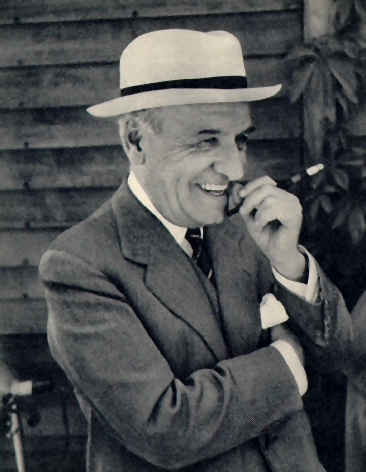
“Sorprendersi, stupirsi, è iniziare a capire.”
citato in Giovanni Ricler, Aforismi per vivere felici, Barbera Editore, p. 310
da Velázquez, 1953
Origine: Citato in Velázquez, I Classici dell'arte, a cura di Elena Ragusa, pp. 183-188, Rizzoli/Skira, Milano, 2003.
José Ortega Y Gasset libro La ribellione delle masse
La historia del toreo está ligada a la de España, tanto que sin conocer la primera, resultará imposible comprender la segunda.
La ribellione delle masse
“Vivere significa, fin dall'inizio, essere costretti ad interpretare la nostra vita.”
Aurora della ragione storica
p. 25
p. 26
p. 26
José Ortega Y Gasset libro La ribellione delle masse
La ribellione delle masse
“È stato l'individualismo che ha arricchito il mondo e tutti gli uomini del mondo.”
José Ortega Y Gasset libro La ribellione delle masse
La ribellione delle masse
Aurora della ragione storica
“Saper comandare a se stessi è la prima condizione per poter comandare agli altri.”
Origine: Citato in Guido Almansi, Il filosofo portatile, TEA, Milano, 1991.
“C'è chi considera nulla ciò che è piccolo: per essi non sarà grande nemmeno ciò che è grande.”
Origine: Meditazioni del Chisciotte, p. 43
Origine: Meditazioni del Chisciotte, p. 8
Origine: Meditazioni del Chisciotte, p. 337
José Ortega Y Gasset libro La ribellione delle masse
La ribellione delle masse
José Ortega Y Gasset libro La ribellione delle masse
La ribellione delle masse
José Ortega Y Gasset libro La ribellione delle masse
La ribellione delle masse
José Ortega Y Gasset libro La ribellione delle masse
Origine: The Revolt of the Masses (1929), Chapter XII: The Barbarism Of "Specialisation"
José Ortega Y Gasset libro La ribellione delle masse
Chap.IX: The Primitive and the Technical
The Revolt of the Masses (1929)
"The Dehumanization of Art"
The Dehumanization of Art and Ideas about the Novel (1925)
José Ortega Y Gasset libro La ribellione delle masse
Chap.II: The Rise Of The Historic Level
The Revolt of the Masses (1929)
José Ortega Y Gasset libro La ribellione delle masse
Origine: The Revolt of the Masses (1929), Chapter XI: The Self-Satisfied Age
José Ortega Y Gasset libro La ribellione delle masse
Chap. VIII: The Masses Intervene In Everything, And Why Their Intervention Is Solely By Violence
The Revolt of the Masses (1929)
Origine: History as a System (1962), p. 14
José Ortega Y Gasset libro La ribellione delle masse
Origine: The Revolt of the Masses (1929), Chapter XV: We Arrive At The Real Question
José Ortega Y Gasset libro La ribellione delle masse
Chap.IX: The Primitive and the Technical
The Revolt of the Masses (1929)
Origine: History as a System (1962), p. 15
As quoted in Existentialism from Dostoevsky to Sartre, p. 155
History as a System (1962)
José Ortega Y Gasset libro La ribellione delle masse
Origine: The Revolt of the Masses (1929), Chapter XV: We Arrive At The Real Question
Origine: History as a System (1962), p. 17
José Ortega Y Gasset libro La ribellione delle masse
Chap.I: The Coming Of The Masses
The Revolt of the Masses (1929)
José Ortega Y Gasset libro La ribellione delle masse
Chap. VIII: The Masses Intervene In Everything, And Why Their Intervention Is Solely By Violence
The Revolt of the Masses (1929)
José Ortega Y Gasset libro La ribellione delle masse
Chap. III: The Height Of The Times
The Revolt of the Masses (1929)
José Ortega Y Gasset libro La ribellione delle masse
Origine: The Revolt of the Masses (1929), Chapter XIV: Who Rules The World?
José Ortega Y Gasset libro La ribellione delle masse
Chap.IX: The Primitive and the Technical
The Revolt of the Masses (1929)
José Ortega Y Gasset libro La ribellione delle masse
Origine: The Revolt of the Masses (1929), Chapter XI: The Self-Satisfied Age
José Ortega Y Gasset libro La ribellione delle masse
Chap.II: The Rise Of The Historic Level
The Revolt of the Masses (1929)
Origine: What is Philosophy? (1964), pp. 19-20
“Life is fired at us point blank.”
More context: "To live or to be alive or, what is the same thing, to be a man, does not admit of any preparations or preliminary experiments. Life is fired at us point blank. ... Where and when we are born, or happen to find ourselves after we were born, there and then, like it or not, we must sink or swim."
Man and People [El hombre y la gente] (1957), p. 42, translated by Willard R. Trask. ISBN 0-393-00123-7
José Ortega Y Gasset libro La ribellione delle masse
We can quite well turn away from our true destiny, but only to fall a prisoner in the deeper dungeons of our destiny. … Theoretic truths not only are disputable, but their whole meaning and force lie in their being disputed, they spring from discussion. They live as long as they are discussed, and they are made exclusively for discussion. But destiny — what from a vital point of view one has to be or has not to be — is not discussed, it is either accepted or rejected. If we accept it, we are genuine; if not, we are the negation, the falsification of ourselves. Destiny does not consist in what we feel we should like to do; rather is it recognised in its clear features in the consciousness that we must do what we do not feel like doing.
Origine: The Revolt of the Masses (1929), Chapter XI: The Self-Satisfied Age
“Hatred is a feeling which leads to the extinction of values.”
Meditations on Quixote (1914)
Origine: as quoted in Susan Ratcliffe (ed.), Oxford Dictionary of Quotations by Subject, Oxford University Press, Oxford, 2010-03-11, page 223, ISBN 9780199567065


