“Man, in his animal capacity, is qualified to subsist in every climate.”
Adam Ferguson libro An Essay on the History of Civil Society
PART III, SECTION I.
An Essay on the History of Civil Society (1767)
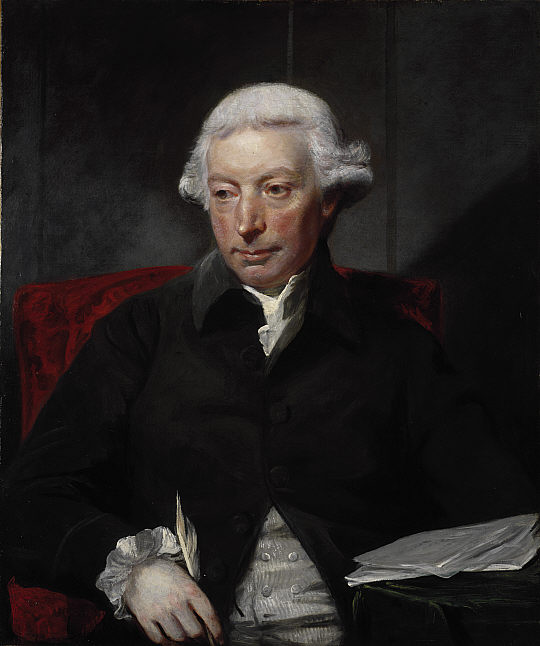
Adam Ferguson è stato un sociologo, storico, filosofo e moralista scozzese, tra i massimi rappresentanti dell'illuminismo britannico e scozzese.
Viene talvolta considerato come il padre della sociologia moderna. Wikipedia
“Man, in his animal capacity, is qualified to subsist in every climate.”
Adam Ferguson libro An Essay on the History of Civil Society
PART III, SECTION I.
An Essay on the History of Civil Society (1767)
Adam Ferguson libro An Essay on the History of Civil Society
PART IV, SECTION II.
An Essay on the History of Civil Society (1767)
“Mankind have always wandered or settled, agreed or quarrelled, in troops and companies.”
Adam Ferguson libro An Essay on the History of Civil Society
PART I, SECTION III.
An Essay on the History of Civil Society (1767)
Adam Ferguson libro An Essay on the History of Civil Society
PART I, SECTION I.
An Essay on the History of Civil Society (1767)
Adam Ferguson libro An Essay on the History of Civil Society
PART I, SECTION II.
An Essay on the History of Civil Society (1767)
Adam Ferguson libro An Essay on the History of Civil Society
PART III, SECTION I.
An Essay on the History of Civil Society (1767)
Adam Ferguson libro An Essay on the History of Civil Society
PART I, SECTION IV.
An Essay on the History of Civil Society (1767)
Adam Ferguson libro An Essay on the History of Civil Society
PART II, SECTION I.
An Essay on the History of Civil Society (1767)
Introduction, Section IV, Of Theory, p. 7.
Institutes of Moral Philosophy (1769)
Adam Ferguson libro An Essay on the History of Civil Society
PART III, SECTION II.
An Essay on the History of Civil Society (1767)
“Men are to be estimated, not from what they know, but from what they are able to perform”
Adam Ferguson libro An Essay on the History of Civil Society
PART I, SECTION V.
An Essay on the History of Civil Society (1767)


