Questa traduzione è in attesa di revisione. È corretto?
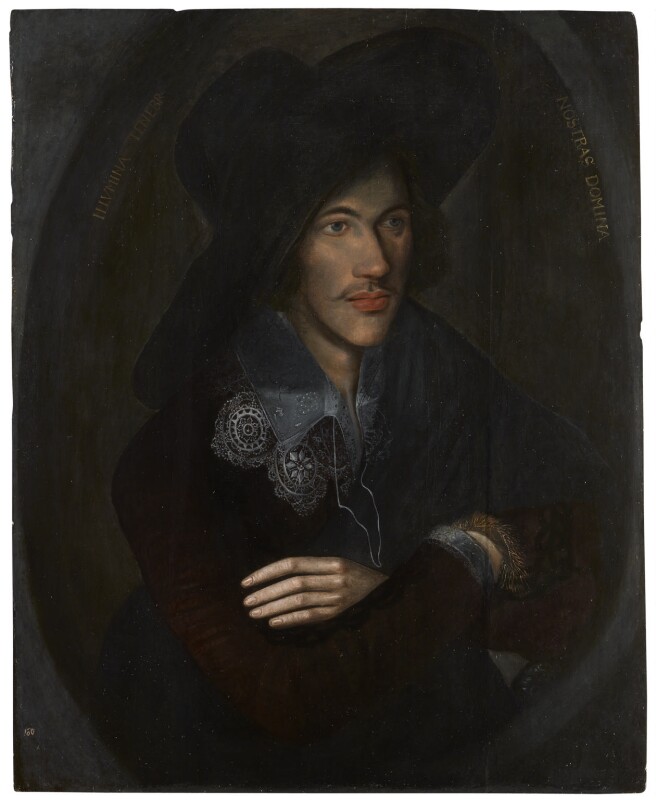
John Donne: 125 citazioni10 Mi piace
John Donne frasi celebri
Origine: Da Meditazione XVII https://en.wikisource.org/wiki/Meditation_XVII in Devozioni per occasioni d'emergenza, Editori Riuniti, Roma, 1994, pp. 112-113.
“Dopo un breve sonno, vegliamo in eterno, | e la morte non sarà più: morte, tu morirai.”
John Donne libro Holy Sonnets
Origine: Da Morte non essere orgogliosa, Holy Sonnets, X.
“Che i nostri affetti non uccidano noi, né muoiano essi.”
Origine: Citato in prefazione a Clive Staples Lewis, I quattro amori, Jaca Book, 1982.
Origine: Da Il sogno.
John Donne Frasi e Citazioni
Origine: Da Elegy, VIII; citato in Giuseppe Fumagalli, Chi l'ha detto?, Hoepli, 1921, p. 296.
“Ma, ahimè, perché così lungamente, | e tanto, freniamo i nostri corpi?”
Origine: Da L'Estasi; citato in Charles Morgan, La fontana, Arnoldo Mondadori Editore, 1961.
Origine: Da Sermone del giorno di Pasqua, 25 marzo 1627.
John Donne: Frasi in inglese
A Valediction Forbidding Mourning, stanza 4
“Poor intricated soul! Riddling, perplexed, labyrinthical soul!”
No. 48, preached upon the Day of St. Paul's Conversion, January 25, 1629
LXXX Sermons (1640)
No. 76 http://books.google.com/books?id=eypXAAAAYAAJ&q=%22When+God's+hand+is+bent+to+strike+it+is+a+fearful+thing+to+fall+into+the+hands+of+the+living+God+but+to+fall+out+of+the+hands+of+the+living+God+is+a+horror+beyond+our+expression+beyond+our+imagination%22&pg=PA386#v=onepage, preached at Sion to The Earl of Carlisle and company (c. 1622) <br class="br">LXXX Sermons (1640)
“The heavens rejoice in motion, why should I
Abjure my so much loved variety.”
No. 17, Variety, line 1
Elegies
A Nocturnal upon St. Lucy's Day, stanza 2
VI. Metuit. The physician is afraid
Devotions Upon Emergent Occasions (1624)
“And what is so intricate, so entangling as death? Who ever got out of a winding sheet?”
No. 54, preached to the King at Whitehall, April 5, 1628
LXXX Sermons (1640)
John Donne libro Elegy XIX: To His Mistress Going to Bed
No. 19, To His Mistress Going to Bed, line 33
Elegies
“Age is a sicknesse, and Youth is an ambush.”
Meditation 7
Devotions Upon Emergent Occasions (1624)
“Who are a little wise, the best fools be.”
The Triple Fool, stanza 2
XXVI Sermons, No. 26, Death's Duel, last sermon, February 15, 1631
No. 76, preached to the Earl of Carlisle, c. autumn 1622
LXXX Sermons (1640)
An Anatomy of the World, The First Anniversary
“O my America! my new-found land.”
John Donne libro Elegy XIX: To His Mistress Going to Bed
No. 19, To His Mistress Going to Bed, line 27
Elegies
“And dare love that, and say so too,
And forget the He and She.”
The Undertaking, stanza 5
The Anniversary, stanza 1
VI. Metuit. The physician is afraid
Devotions Upon Emergent Occasions (1624)
Of the Progress of the Soul, The Second Anniversary
I. Insultus Morbi Primus; The first alteration, the first grudging of the sickness.
Devotions Upon Emergent Occasions (1624)
II. Actio Læsa; The strength, and the functions of the senses, and other faculties change and fail.
Devotions Upon Emergent Occasions (1624)
John Donne The Funeral
The Funeral, stanza 1


