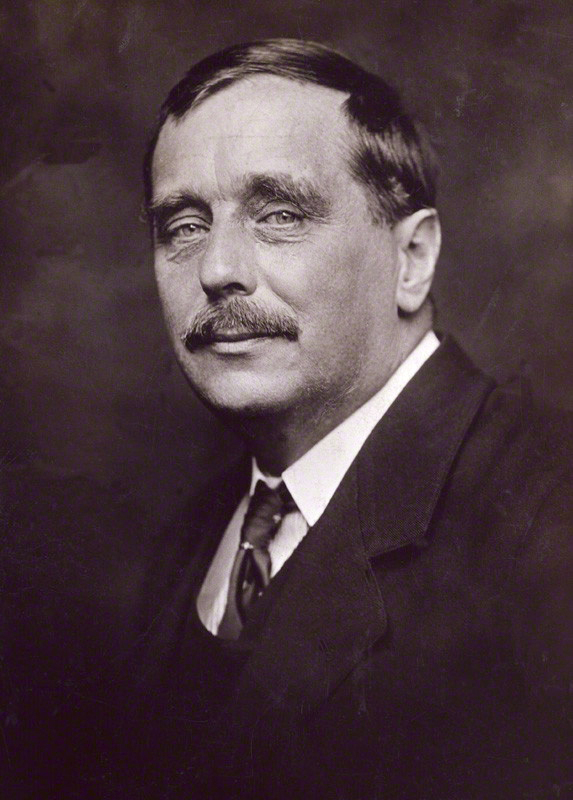
H. G. Wells frasi celebri
H. G. Wells Frasi e Citazioni
H. G. Wells libro L'uomo invisibile
lettera di Griffin: 1998, p. 171
L'uomo invisibile
H. G. Wells libro L'uomo invisibile
Griffin: 1998, p. 160
L'uomo invisibile
“La stricnina è un tonico potente, Kemp, elimina ogni debolezza.
– È diabolica, – disse Kemp.”
H. G. Wells libro L'uomo invisibile
È fuoco imbottigliato. (1998, p. 130)
L'uomo invisibile
Origine: Citato in Charlie Chaplin, La mia autobiografia, traduzione di Vincenzo Mantovani, Mondadori, 1964, p. 429.
Origine: Da A Modern Utopia, cap. IX, § 5; citato in Aa.Vv., Un gusto superiore: un modo nuovo di mangiare e di vivere, The Bhaktivedanta Book Trust Italia, 1992, pp. 23-24.
H. G. Wells libro L'uomo invisibile
Griffin: 1998, p. 156
L'uomo invisibile
H. G. Wells libro L'uomo invisibile
Griffin: 1998, p. 128
L'uomo invisibile
“Se non poniamo fine alla guerra, la guerra porrà fine a noi.”
Origine: Citato in Call of Duty 2 e all'inizio del videoclip This Is War dei 30 Seconds To Mars.
“Nel mondo c'è un mucchio di straordinari deficienti.”
H. G. Wells libro L'uomo invisibile
Origine: L'uomo invisibile
H. G. Wells: Frasi in inglese
H. G. Wells libro The Shape of Things to Come
Things to Come (1936)
H. G. Wells libro The Open Conspiracy
The Open Conspiracy (1928)
The Informative Content of Education http://books.google.com/books?&id=vLs4AAAAMAAJ&q=%22I+believe+that+the+crazy+combative+patriotism+that+plainly+threatens+to+destroy+civilisation+to-day+is+very+largely+begotten+by+the+schoolmaster+and+the+schoolmistress+in+their+history+lessons+They+take+the+growing+mind+at+a+naturally+barbaric+phase+and+they+inflame+and+fix+its+barbarism%22&pg=PA242#v=onepage Speech http://archive.org/stream/reportofbritisha37adva#page/242/mode/2up given at the annual meeting of the British Association for the Advancement of Science in Nottingham, England on 2 September 1937
H. G. Wells libro The Outline of History
The Outline of History (1920)
H. G. Wells libro The War in the Air
The War in the Air (1907), Ch. VIII, §1
H. G. Wells libro The First Men in the Moon
Origine: The First Men in the Moon (1901), Ch. 13: Mr. Cavor Makes Some Suggestions
H. G. Wells libro L'uomo invisibile
Origine: The Invisible Man (1897), Chapter 10: Mr. Marvel's Visit To Iping
H. G. Wells libro The Island of Doctor Moreau
Origine: The Island of Doctor Moreau (1896), Ch. 14: Doctor Moreau Explains
“Humanity either makes, or breeds, or tolerates all its afflictions, great or small.”
H. G. Wells libro Joan and Peter
Joan and Peter: The Story of an Education (1918)
“Human history is in essence a history of ideas.”
H. G. Wells libro The Outline of History
Origine: The Outline of History (1920), Ch. 40
“An animal may be ferocious and cunning enough, but it takes a real man to tell a lie.”
H. G. Wells libro The Island of Doctor Moreau
Origine: The Island of Doctor Moreau (1896), Ch. 21: The Reversion of the Beast Folk
“I was never a great amorist, though I have loved several people very deeply.”
An Experiment in Autobiography http://gutenberg.ca/ebooks/wellshg-autobiography/wellshg-autobiography-00-h-dir/wellshg-autobiography-00-h.html (1934)
The Work, Wealth and Happiness of Mankind, Ch. 11 (1931)
H. G. Wells libro Zoological Retrogression
Zoological Retrogression (1891)
H. G. Wells libro The Island of Doctor Moreau
Origine: The Island of Doctor Moreau (1896), Ch. 14: Doctor Moreau Explains
“For adaptations based on the novel see The War of the Worlds (disambiguation).”
H. G. Wells libro The War of the Worlds
The War of the Worlds (1898)
H. G. Wells libro The Island of Doctor Moreau
Origine: The Island of Doctor Moreau (1896), Ch. 17: A Catastrophe
H. G. Wells libro The Island of Doctor Moreau
Origine: The Island of Doctor Moreau (1896), Ch. 16: How the Beast Folk Tasted Blood
H. G. Wells libro The Island of Doctor Moreau
Origine: The Island of Doctor Moreau (1896), Ch. 22: The Man Alone
“Stalin-Wells Talk: The Verbatim Report and A Discussion”, G.B. Shaw, J.M. Keynes et al., London, The New Statesman and Nation, (1934) p. 15
“Stalin-Wells Talk: The Verbatim Report and A Discussion”, G.B. Shaw, J.M. Keynes et al., London, The New Statesman and Nation, (1934) p. 19


