da Lettera a Benjamin Bailey, 22 novembre 1817
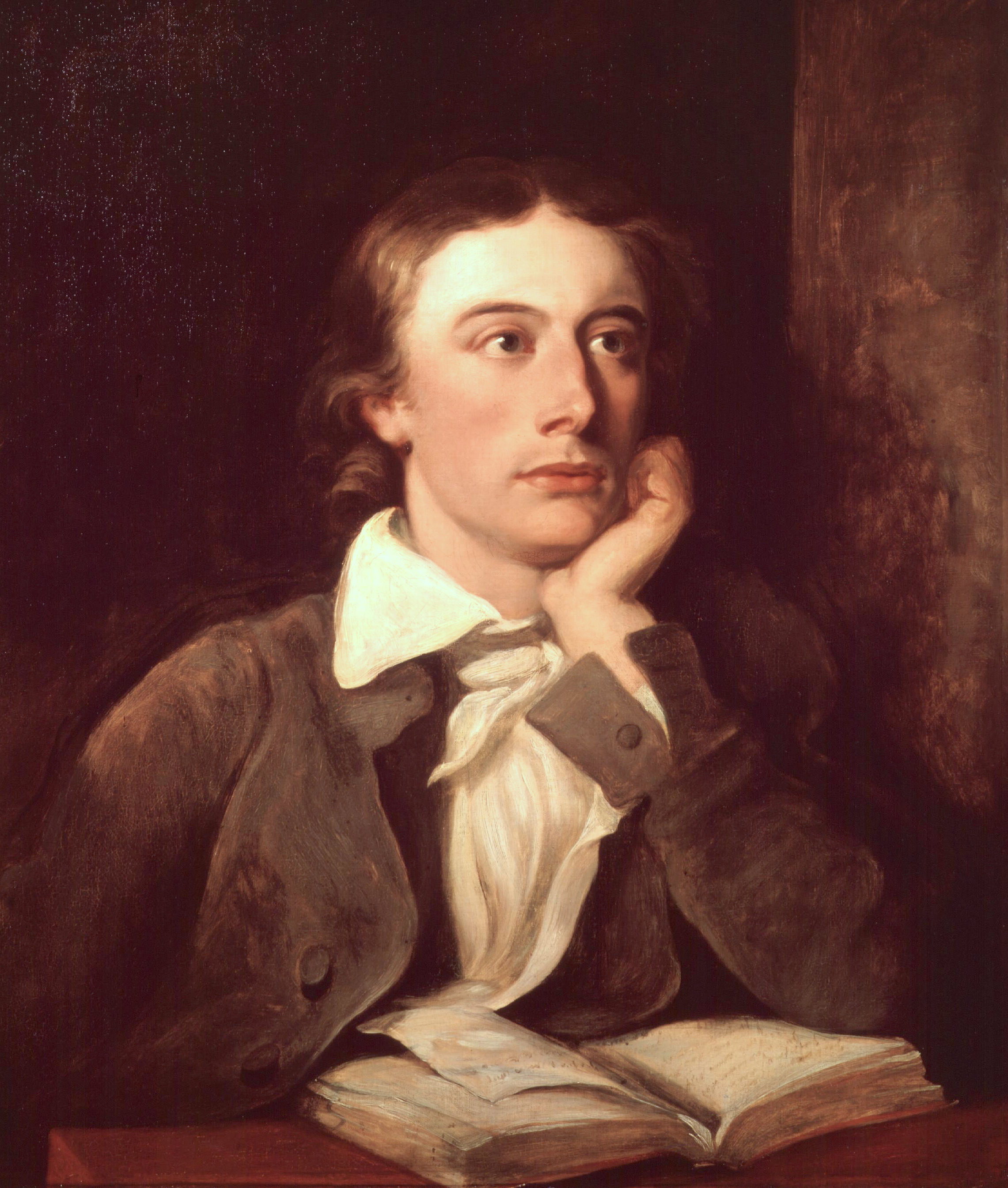
John Keats: 249 citazioni44 Mi piace
John Keats frasi celebri
da Lettera a John Taylor, 27 febbraio 1818
da Lettera a George e Georgiana Keats, 18 febbraio 1819
da Lettera a John Hamilton Reynolds, 11 luglio 1819
Frasi sulla bellezza di John Keats
“Una bella cosa è una gioia per sempre: | La sua bellezza aumenta e mai | Sparirà nel nulla.”
cap. I, vv. 906-7
Endymione
da Lettera a James Augustus Hessey, 8 ottobre 1818
da Lettera a John Hamilton Reynolds, 3 febbraio 1818
da Lettera a John Hamilton Reynolds, 9 aprile 1818
Frasi sulla vita di John Keats
da Lettera a Benjamin Robert Haydon, 10-11 maggio 1817
da Lettera a James Rice, 14-16 febbraio 1820
da Lettera a George e Georgiana Keats, 18 febbraio 1819
da Lettera a George e Georgiana Keats, 18 febbraio 1819
da Lettera a Charles Brown, 30 novembre 1820
John Keats Frasi e Citazioni
da Lettera a John Hamilton Reynolds, 25 agosto 1819
da Lettera a Charles Brown, 30 novembre 1820
da Lettera a Benjamin Bailey, 23 gennaio 1818
da Lettera a Benjamin Robert Haydon, 22 dicembre 1818
da Lettera a John Taylor, 23 agosto 1819
da Lettera a Charles Brown, 23 settembre 1819
da Lettera a James Augustus Hessey, 8 ottobre 1818
da Lettera a Richard Woodhouse, 27 ottobre 1818
da Lettera a George e Georgiana Keats, 18 febbraio 1819
da Lettera a Benjamin Bailey, 13 agosto 1819
da Lettera a Fanny Brawne, febbraio 1820
da Lettera a Charles Brown, 28 settembre 1820
“La mia immaginazione è un monastero e io sono un monaco.”
da Lettera a Percy Bysshe Shelley, 16 agosto 1820
John Keats: Frasi in inglese
John Keats Ode to a Nightingale
Stanza 5
Poems (1820), Ode to a Nightingale
" Sonnet. To One Who Has Been Long in City Pent http://www.bartleby.com/126/23.html" <br class="br">Poems (1817)
“For cruel ’tis,” said she,
“To steal my Basil-pot away from me.”
"Isabella; or, The Pot of Basil", st. 62
Poems (1820)
John Keats Ode to a Nightingale
Stanza 5
Poems (1820), Ode to a Nightingale
John Keats Ode on Melancholy
"Ode on Melancholy", st. 3
Poems (1820)
“That large utterance of the early gods!”
Bk. I
Hyperion: A Fragment (1819)
"This living hand" (1819)
“And they are gone: ay, ages long ago
These lovers fled away into the storm.”
John Keats The Eve of St. Agnes
Stanza 42
Poems (1820), The Eve of St. Agnes
John Keats Ode on Melancholy
"Ode on Melancholy", st. 1
Poems (1820)
“In spite of all,
Some shape of beauty moves away the pall
From our dark spirits.”
John Keats Endymion
Bk. I, l. 11
Endymion (1818)
“There is an awful warmth about my heart like a load of immortality.”
Letter to John Hamilton Reynolds (September 22, 1818)
Letters (1817–1820)
“A poor, weak, palsy-stricken, churchyard thing.”
John Keats The Eve of St. Agnes
Stanza 18
Poems (1820), The Eve of St. Agnes
Letter to his brother, (January 23, 1818)
Letters (1817–1820)
" Sonnet. Addressed to the Same http://www.bartleby.com/126/27.html" (Benjamin Robert Haydon) <br class="br">Poems (1817)
John Keats libro La Belle Dame sans Merci
Stanza IV
La Belle Dame sans Merci (1819)
“The sweet converse of an innocent mind.”
Sonnet, To Solitude; reported in Bartlett's Familiar Quotations, 10th ed. (1919)
John Keats The Eve of St. Agnes
Stanza 23
Poems (1820), The Eve of St. Agnes
John Keats The Eve of St. Agnes
Stanza 1
Poems (1820), The Eve of St. Agnes
Bk. I, l. 1
Hyperion: A Fragment (1819)
Letter to John Hamilton Reynolds (May 3, 1818)
Letters (1817–1820)
“The imagination may be compared to Adam's dream — he awoke and found it truth.”
Letter to Benjamin Bailey (November 22, 1817)
Letters (1817–1820)
“I can scarcely bid you good-bye, even in a letter. I always made an awkward bow. God bless you!”
Letter to Charles Armitage Brown (November 30, 1820)
Letters (1817–1820)
"The Fall of Hyperion : A Dream" (1819), Canto I, l. 147
John Keats Endymion
Preface
Endymion (1818)
“Knowledge enormous makes a God of me.”
Bk. III, l. 113
Hyperion: A Fragment (1819)
“Every mental pursuit takes its reality and worth from the ardour of the pursuer.”
Letter to Benjamin Bailey (March 13, 1818)
Letters (1817–1820)
John Keats Ode on a Grecian Urn
Stanza 4
Poems (1820), Ode on a Grecian Urn
“In drear-nighted December,
Too happy, happy tree,
Thy branches ne'er remember
Their green felicity.”
"In drear-nighted December' (1817), st. 1
“Open afresh your round of starry folds,
Ye ardent marigolds!”
"I Stood Tiptoe", l. 47
Poems (1817)
"I Stood Tiptoe", l. 72
Poems (1817)


