
Carl von Clausewitz libro Della guerra
libro Della guerra
Scoprite la profonda saggezza di Carl von Clausewitz con la nostra raccolta di potenti citazioni. Dalla natura della guerra alla complessità della leadership, le sue parole offrono intuizioni senza tempo.
Carl Philipp Gottlieb von Clausewitz era un generale, scrittore e teorico militare prussiano. Nato nel 1780 in una famiglia della piccola borghesia, si arruolò nell'esercito prussiano a soli 12 anni. Durante le guerre napoleoniche, combatté e fu catturato dai francesi nella sconfitta di Jena. Dopo la pace di Tilsit nel 1807, tornò in Prussia e si impegnò nella riforma dell'esercito insieme a Gerhard von Scharnhorst. Promosso maggiore nel 1810, fu nominato professore all'accademia militare e responsabile della formazione del principe ereditario.
Durante la campagna del 1812, si unì all'esercito russo contro Napoleone e partecipò ai negoziati che portarono alla Prussia lontano dalla coalizione francese. Dopo aver partecipato alle vittoriose campagne del 1813-1814 e del 1815, fu promosso generale nel 1818 ma non ricevette i riconoscimenti che sperava per le sue idee riformiste. Continuò a lavorare sul suo celebre trattato "Della guerra" fino alla sua morte nel 1831, quando morì per il colera durante l'insurrezione polacca. Von Clausewitz è conosciuto come uno dei più importanti teorici militari della storia ed il suo saggio "Della guerra" è ancora oggi ampiamente studiato nelle accademie militari di tutto il mondo.
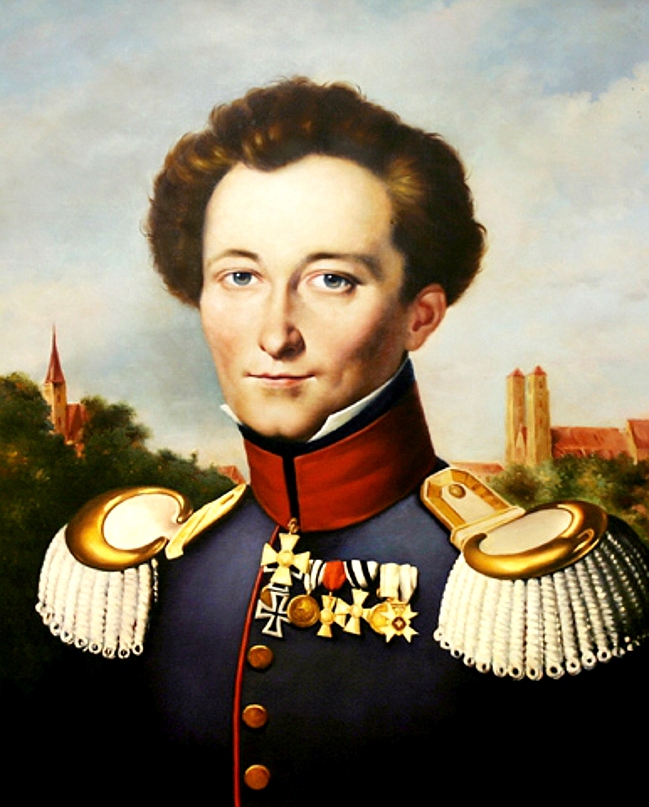
Carl von Clausewitz libro Della guerra
libro Della guerra
“La guerra non è che la continuazione della politica con altri mezzi.”
Carl von Clausewitz libro Della guerra
libro I, I, 24, titolo del paragrafo
Della guerra
Variante: La guerra non è se non la continuazione del lavoro politico, al quale si frammischiano altri mezzi.
“Ogni attacco deve terminare con una difesa.”
Carl von Clausewitz libro Della guerra
libro Della guerra
“La guerra non è che un duello su vasta scala.”
Carl von Clausewitz libro Della guerra
libro I, I, 2, Definizione
Della guerra
“La guerra non è mai un atto isolato.”
Carl von Clausewitz libro Della guerra
libro I, I, 7, titolo del paragrafo
Della guerra
“Guai alla teoria che si metta in opposizione allo Spirito!”
Carl von Clausewitz libro Della guerra
libro II, II, 13, Essi non tengono conto del genio che è al di fuori d'ogni regola
Variante: Guai alla teoria che si mette in opposizione con lo spirito.
“La guerra è un atto di forza, all'impiego della quale non esistono limiti.”
Carl von Clausewitz libro Della guerra
libro I, I, 3, Impiego assoluto della forza
Della guerra
“La guerra non nasce istantaneamente e non si espande in un batter d'occhio.”
Carl von Clausewitz libro Della guerra
libro I, I, 7, La guerra non è mai un atto isolato
Della guerra
Carl von Clausewitz libro Della guerra
libro II, II, 12, Tutti questi tentativi debbono essere respinti
Della guerra
Carl von Clausewitz libro Della guerra
libro III, III, 3, La guerra è un atto del commercio degli uomini
Della guerra
“La guerra deve […] mirare sempre a disarmare, o ad abbattere che dir si voglia, l'avversario.”
Carl von Clausewitz libro Della guerra
libro I, I, 4, Lo scopo è di ridurre il nemico all'impotenza
Della guerra
Carl von Clausewitz libro Della guerra
libro Della guerra
“Il vantaggio quasi unico dell'offensiva consiste nella sorpresa.”
Carl von Clausewitz libro Della guerra
libro Della guerra
Carl von Clausewitz libro Della guerra
libro I, I, 2, Definizione
Della guerra
“Vi sono casi in cui la maggior saggezza sta nel correre il maggiore rischio.”
Carl von Clausewitz libro Della guerra
libro II, V
Della guerra
Carl von Clausewitz libro Della guerra
On War (1832), Book 1
Carl von Clausewitz libro Della guerra
Origine: On War (1832), Book 1, Chapter 1, Section 3, Paragraph 1.
Contesto: Kind-hearted people might of course think there was some ingenious way to disarm or defeat the enemy without too much bloodshed, and might imagine this is the true goal of the art of war. Pleasant as it sounds, it is a fallacy that must be exposed: War is such a dangerous business that mistakes that come from kindness are the very worst.
“War is nothing but a continuation of politics with the admixture of other means.”
Carl von Clausewitz libro Della guerra
Variante: War Is Merely the Continuation of Policy by Other Means
Origine: On War (1832), Book 1, Chapter 1, Section 24, in the Princeton University Press translation (1976)
Variant translation: War is merely the continuation of politics by other means.
Contesto: War Is Merely the Continuation of Policy by Other Means
We see, therefore, that war is not merely an act of policy but a true political instrument, a continuation of political intercourse carried on with other means. What remains peculiar to war is simply the peculiar nature of its means.
“There are cases in which the greatest daring is the greatest wisdom.”
Carl von Clausewitz libro Della guerra
Variante: There are times when the utmost daring is the height of wisdom.
Origine: On War (1832), Book 2
Carl von Clausewitz libro Della guerra
Origine: On War (1832), Book 1, Chapter 3.
Contesto: Strength of character does not consist solely in having powerful feelings, but in maintaining one’s balance in spite of them. Even with the violence of emotion, judgment and principle must still function like a ship’s compass, which records the slightest variations however rough the sea.
“Everything in war is simple, but the simplest thing is difficult.”
Carl von Clausewitz libro Della guerra
On War (1832), Book 1
“The conqueror is always a lover of peace; he would prefer to take over our country unopposed.”
Carl von Clausewitz libro Della guerra
Origine: On War (1832), Book 6, Ch. 2
“All war presupposes human weakness and seeks to exploit it.”
Carl von Clausewitz libro Della guerra
On War (1832), Book 5
“Boldness governed by superior intellect is the mark of a hero.”
Carl von Clausewitz libro Della guerra
On War (1832), Book 3
“War is such a dangerous business that mistakes that come from kindness are the very worst.”
Carl von Clausewitz libro Della guerra
Origine: On War (1832), Book 1, Chapter 1, Section 3, Paragraph 1.
Contesto: Kind-hearted people might of course think there was some ingenious way to disarm or defeat the enemy without too much bloodshed, and might imagine this is the true goal of the art of war. Pleasant as it sounds, it is a fallacy that must be exposed: War is such a dangerous business that mistakes that come from kindness are the very worst.
Carl von Clausewitz libro Della guerra
On War (1832), Book 3
“…it is better to go on striking in the same direction than to move one's forces this way and that.”
Carl von Clausewitz libro Della guerra
On War (1832), Book 2
Carl von Clausewitz libro Della guerra
On War (1832), Book 1
Carl von Clausewitz libro Della guerra
On War (1832), Book 3
“Timidity is the root of prudence in the majority of men.”
Carl von Clausewitz libro Della guerra
On War (1832), Book 3
Carl von Clausewitz libro Della guerra
On War (1832), Book 3
Carl von Clausewitz libro Della guerra
On War (1832), Book 2
Carl von Clausewitz libro Della guerra
Origine: On War (1832), Book 6, Chapter 17.
Carl von Clausewitz libro Della guerra
On War (1832), Book 1
“…the side that feels the lesser urge for peace will naturally get the better bargain.”
Carl von Clausewitz libro Della guerra
On War (1832), Book 1


