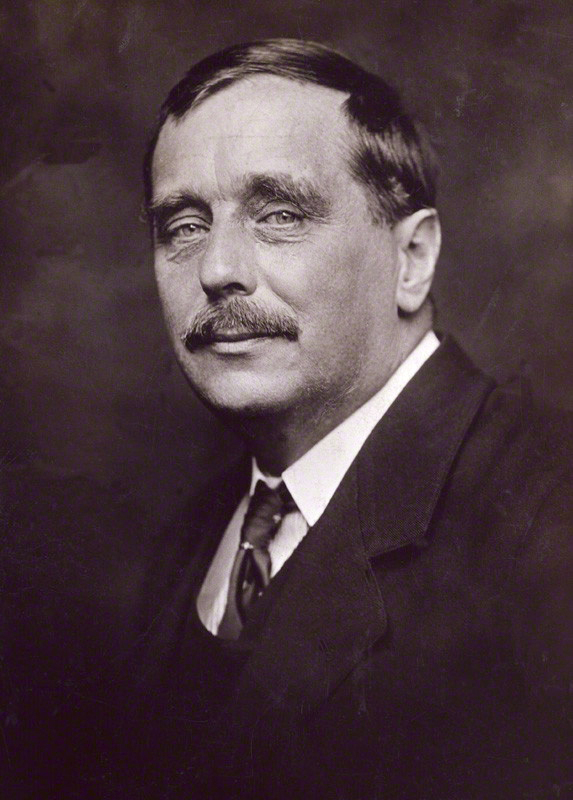
H. G. Wells frasi celebri
H. G. Wells Frasi e Citazioni
H. G. Wells libro L'uomo invisibile
lettera di Griffin: 1998, p. 171
L'uomo invisibile
H. G. Wells libro L'uomo invisibile
Griffin: 1998, p. 160
L'uomo invisibile
“La stricnina è un tonico potente, Kemp, elimina ogni debolezza.
– È diabolica, – disse Kemp.”
H. G. Wells libro L'uomo invisibile
È fuoco imbottigliato. (1998, p. 130)
L'uomo invisibile
Origine: Citato in Charlie Chaplin, La mia autobiografia, traduzione di Vincenzo Mantovani, Mondadori, 1964, p. 429.
Origine: Da A Modern Utopia, cap. IX, § 5; citato in Aa.Vv., Un gusto superiore: un modo nuovo di mangiare e di vivere, The Bhaktivedanta Book Trust Italia, 1992, pp. 23-24.
H. G. Wells libro L'uomo invisibile
Griffin: 1998, p. 156
L'uomo invisibile
H. G. Wells libro L'uomo invisibile
Griffin: 1998, p. 128
L'uomo invisibile
“Se non poniamo fine alla guerra, la guerra porrà fine a noi.”
Origine: Citato in Call of Duty 2 e all'inizio del videoclip This Is War dei 30 Seconds To Mars.
“Nel mondo c'è un mucchio di straordinari deficienti.”
H. G. Wells libro L'uomo invisibile
Origine: L'uomo invisibile
H. G. Wells: Frasi in inglese
H. G. Wells libro L'uomo invisibile
Origine: The Invisible Man (1897), Chapter 7: The Unveiling of the Stranger
“Heresies are experiments in man's unsatisfied search for truth.”
H. G. Wells libro Crux Ansata
Crux Ansata: An Indictment of the Roman Catholic Church (1943)
H. G. Wells libro The Shape of Things to Come
Things to Come (1936)
H. G. Wells libro The War of the Worlds
Book I, Ch. 10: In the Storm
The War of the Worlds (1898)
H. G. Wells libro The War of the Worlds
Book II, Ch. 10 (Ch. 27 in editions without Book divisions): The Epilogue
The War of the Worlds (1898)
On the British government's decision to build the Singapore Naval Base, in an article for the Westminster Gazette (13 October 1923)
H. G. Wells libro A Modern Utopia
Origine: A Modern Utopia (1905), Ch. 5, sect. 2
The Salvaging of Civilization (1921)
Quoted in Charlie Chaplin, My Autobiography (1964)
H. G. Wells libro L'uomo invisibile
Origine: The Invisible Man (1897), Chapter 25: The Hunting of the Invisible Man
Kipps the Story of a Simple Soul (1905) Bk. 2, ch. 5
H. G. Wells libro The First Men in the Moon
Origine: The First Men in the Moon (1901), Ch. 24: The Natural History of the Selenites
H. G. Wells libro The Shape of Things to Come
Things to Come (1936)
“Man is an imperfect animal and never quite trustworthy in the dark.”
H. G. Wells libro The Open Conspiracy
The Open Conspiracy (1928)
H. G. Wells libro L'uomo invisibile
Origine: The Invisible Man (1897), Chapter 23: In Drury Lane
H. G. Wells libro The Shape of Things to Come
Things to Come (1936)
H. G. Wells libro The Outline of History
Origine: The Outline of History (1920), Ch. 28
“Cycle tracks will abound in Utopia.”
H. G. Wells libro A Modern Utopia
Origine: A Modern Utopia (1905), Ch. 2, sect. 3
Origine: First and Last Things: A Confession of Faith and Rule of Life http://www.gutenberg.org/etext/4225 (1908), Ch. 4, sect. 6, The Last Confession
H. G. Wells libro L'uomo invisibile
Origine: The Invisible Man (1897), Chapter 22: In The Emporium
H. G. Wells libro L'uomo invisibile
Origine: The Invisible Man (1897), Chapter 19: Certain First Principles
H. G. Wells libro L'uomo invisibile
Origine: The Invisible Man (1897), Chapter 7: The Unveiling of the Stranger
H. G. Wells libro The Shape of Things to Come
Things to Come (1936)
H. G. Wells libro Anticipations
Anticipations (1902)
H. G. Wells libro A Modern Utopia
Origine: A Modern Utopia (1905), Ch. 3, sect. 4
The Outlook for Homo Sapiens (1942)
“Night, the mother of fear and mystery, was coming upon me.”
H. G. Wells libro The War of the Worlds
Book II, Ch. 8 (Ch. 25 in editions without Book divisions): Dead London
The War of the Worlds (1898)
H. G. Wells libro The War of the Worlds
Book I, Ch. 5: The Heat-Ray
The War of the Worlds (1898)
H. G. Wells libro The Soul of a Bishop
The Soul of a Bishop (1917)
“He was inordinately proud of England, and he abused her incessantly.”
Mr. Britling Sees It Through, Bk. 1, ch. 2, sect. 2 (1916)


